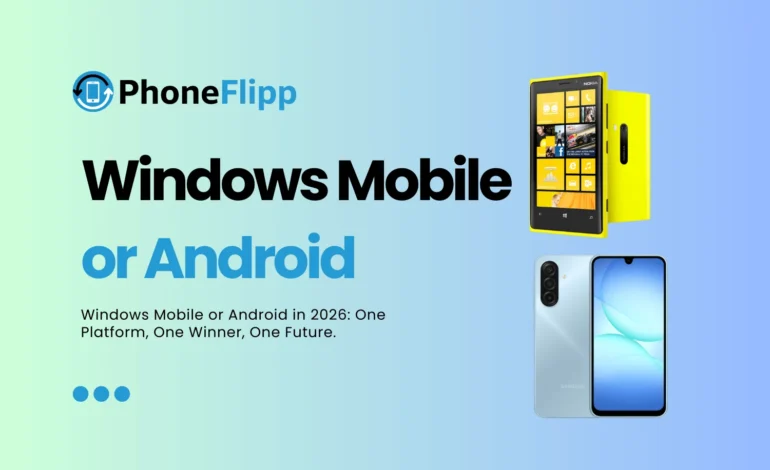
Windows Mobile or Android: Which Platform Wins in 2026?

In this article “Windows Mobile or Android: Which Platform Wins in 2026?” it is discussed, The global mobile app market has grown exponentially over the last decade, fueled by increasing smartphone penetration, evolving app stores, and the rapid adoption of 5G connectivity. As we look ahead to 2026, the competition between platforms, particularly Android and the evolving Windows Mobile ecosystem, remains a crucial consideration for developers, businesses, and end-users alike. This article examines the market, developer ecosystem, cross-platform development, monetization models, user demographics, and other critical factors that will determine which platform dominates the mobile landscape in 2026.
Overview of Mobile Platforms in 2026
Android: The Global Juggernaut
Android continues to lead in global smartphone market share, particularly in emerging markets, thanks to its open-source nature, affordability, and widespread platform adoption. Android’s Google Play Store hosts millions of apps across categories such as gaming, productivity, fintech, entertainment, and e-commerce. Its cross-platform development support with Flutter and React Native makes it attractive for developers seeking wide reach.
Windows Mobile: A Resilient Contender
Although Windows Mobile historically lagged behind iOS and Android, Microsoft’s continued integration with enterprise solutions and cross-platform app development frameworks positions it as a niche but growing alternative. Windows Mobile focuses on business users, security, and device interoperability, particularly in enterprise and productivity-focused markets.
Market Share and Growth Trends
Global OS Market Share 2025–2026
- Android leads globally with approximately 70–75% market share.
- Windows Mobile, while smaller, has stabilized in enterprise and professional devices, achieving growth in hybrid devices and IoT-enabled smartphones.
- iOS remains strong in premium segments, particularly in North America and Western Europe.
Regional OS Preference
- Emerging markets (India, Southeast Asia, Africa): Android dominates due to affordability and device availability.
- Developed markets (UK, US, Japan): Android retains significant presence, but Windows Mobile’s enterprise adoption gives it a foothold in business environments.
- UK mobile app market growth shows Android still leading in downloads, but Windows Mobile apps have growing niche usage in corporate settings.
App Stores and Developer Ecosystem
Google Play vs Microsoft Store
- Google Play Store: Offers millions of apps, robust monetization options, and a mature developer ecosystem.
- Microsoft Store: Focuses on enterprise solutions, productivity apps, and secure app distribution.
Developer Choice and Cross-Platform Development
- Developers often prefer Android due to larger user base and monetization potential.
- Cross-platform development tools like Flutter and React Native allow simultaneous deployment to Android, Windows, and iOS, reducing development time.
- Enterprises with Windows Mobile devices benefit from seamless integration with Microsoft 365, Teams, and Azure-based apps.
App Revenue, Monetization Models, and Spending Trends
Global App Spending & In-App Purchases
- Android leads in download volume, but iOS often leads in revenue per user.
- Windows Mobile apps are seeing moderate growth in enterprise subscriptions and premium productivity app purchases.
Monetization Models
- Android: Freemium apps, ads, subscription services, and in-app purchases dominate.
- Windows Mobile: Subscription-based enterprise apps, secure corporate communications, and business-centric tools.
- Regional differences: UK and Western Europe show preference for subscription-based apps; emerging markets lean toward freemium/ad-based apps.
Mobile Usage Statistics & Connectivity Impact
Time Spent and Device Usage
- Android users spend significant time on social media, gaming, and e-commerce apps.
- Windows Mobile users focus on productivity, enterprise communications, and collaborative tools.
5G and Connectivity
- 5G adoption boosts app performance, enables AR/VR experiences, and increases mobile-first enterprise productivity.
- Android benefits from widespread 5G devices, while Windows Mobile leverages enterprise 5G applications for field operations and real-time business intelligence.
User Demographics and Market Segmentation
Age, Income, and Regional Differences
- Android dominates young and cost-sensitive demographics, particularly in emerging markets.
- Windows Mobile is more prevalent among professional, enterprise, and mid-to-high income users, particularly in corporate UK and North American markets.
Market Segmentation
- Android: Consumer, entertainment, gaming, and personal finance apps.
- Windows Mobile: Enterprise productivity, security apps, and IoT-connected business devices.
App Categories and Developer Priorities
Popular App Categories
- Android: Gaming, e-commerce, fintech, entertainment, social apps.
- Windows Mobile: Business productivity, workflow automation, enterprise communication, security solutions.
Developer Considerations
- Android offers higher volume potential, cross-platform flexibility, and extensive community support.
- Windows Mobile appeals to developers targeting enterprise customers, cross-platform Windows environments, and device integration with desktop Windows OS.
Cross-Platform Development and Strategic Advantages
- Tools like Flutter and React Native allow developers to write once and deploy across Android, Windows Mobile, and iOS.
- Businesses can reduce development costs while reaching multiple user segments.
- Windows Mobile’s enterprise integration with Microsoft ecosystems provides a strategic advantage for corporate deployments.
Mobile App Market Insights for 2026
Downloads and Revenue Comparison
- Android dominates global downloads.
- Windows Mobile shows steady revenue growth in enterprise subscriptions, productivity tools, and secured enterprise applications.
Trends in App Monetization
- Freemium and ad-supported models dominate Android.
- Subscription and enterprise licensing dominate Windows Mobile, with strong ROI for business applications.
- UK mobile app market growth trends indicate Android leads downloads but Windows Mobile dominates enterprise adoption for productivity apps.
Strategic Outlook: Which Platform Wins?
Consumer Segment
- Android remains the winner in volume, market share, app diversity, and monetization potential.
- Windows Mobile has limited consumer adoption but growing niche in enterprise mobile workstations.
Enterprise Segment
- Windows Mobile shines with enterprise-grade security, Microsoft ecosystem integration, and productivity apps.
- Android is growing in enterprise, but fragmentation and security concerns pose challenges.
Overall 2026 Outlook
- Android: Dominates consumer mobile apps, global downloads, and cross-platform adoption.
- Windows Mobile: Holds strategic ground in enterprise, professional productivity, and niche markets.
- Conclusion: Android wins in scale and reach; Windows Mobile wins in enterprise-focused strategic deployments.
Recommendations for Developers and Businesses
- Target Android for consumer apps, entertainment, gaming, and e-commerce.
- Use Windows Mobile for enterprise productivity apps, corporate security, and business workflows.
- Leverage cross-platform development to deploy apps efficiently on both Android and Windows ecosystems.
- Optimize apps for 5G to enhance performance and user experience.
- Consider regional and demographic segmentation to maximize engagement and revenue.
Future Innovations and Considerations
- Increased AI integration in apps for personalized experiences.
- Edge computing and 5G to enable real-time analytics on mobile devices.
- Cross-device synchronization between Windows Mobile and desktop environments.
- Emerging markets growth driving Android adoption.
- Potential for Windows Mobile to expand in enterprise IoT and hybrid mobile/desktop solutions.
Conclusion: Windows Mobile or Android
In 2026, the choice between Windows Mobile and Android depends on the target segment:
- Android is the undisputed leader for consumers, global market share, and app monetization potential.
- Windows Mobile carves out a strong niche in enterprise environments, productivity-focused apps, and corporate security.
Businesses and developers should carefully align platform choice with user demographics, device penetration, connectivity trends, and monetization strategy to maximize ROI and impact in the rapidly evolving mobile ecosystem.