iPhone vs Android in 2026: Which Is Better Now?

The iPhone vs Android debate in 2026 remains the defining smartphone rivalry, where Android’s popularity and market share commands Android’s global dominant share at 72.77% worldwide while iPhone user demographics thrive in iOS in developed markets like the US (58.13% share) among higher-income, younger professionals who prioritize spending on apps and services.
Smartphone buying tips for how to choose an iPhone or Android phone hinge on smartphone user trends 2026: device variety and customization favors Android’s ecosystem sprawl, software updates and support sees iPhone’s 7-year promise vs Android’s fragmentation, and privacy and security perceptions tilt Apple despite Google’s hardening.
This exhaustive iPhone vs Android market share insights analysis dissects ecosystem comparison (Apple vs Android), hardware performance comparison, platform loyalty and switching, Android vs iOS preference, in-app spending differences, price and affordability differences, and Android customization vs iPhone security, empowering confident choose between iPhone and Android decisions.
Market Share & Global Dominance (2026)
Android’s popularity and market share solidifies Android’s global dominant share at 72.77% (StatCounter Q4 2025), powering 3B+ active devices across Samsung (19.7% shipments), Xiaomi, Oppo. iPhone vs Android market share insights reveal iOS in developed markets: US (58.13%), Japan (36.4%), Canada (60%+). Emerging markets crush iPhone, India (95% Android), Brazil (85%), Indonesia (90%), driven by affordability.
Comparison of iPhone and Android phones shipments: Samsung 58M (Q2 2025), Apple 46.4M. Revenue flips: Apple’s iPhone $220B (38% margins) dwarfs Android’s $190B collective (10-15% OEM margins). Consumer preferences by region show younger demographic preferences skew iPhone (18-34: 55% US iOS), while budget-conscious favor Android.
| Region | Android Share | iOS Share |
|---|---|---|
| Global | 72.77% | 26.82% |
| US | 41.87% | 58.13% |
| China | 65.1% | 20.9% |
| India | 95%+ | <5% |
User Demographics & Loyalty
iPhone user demographics skew affluent: US iPhone owners earn 32% more ($110k avg), 70% college-educated vs Android’s broader base. Younger demographic preferences trend iOS (Gen Z: 52% iPhone US), but platform loyalty and switching reveals stickiness, 91% iPhone retention vs 79% Android (2025 surveys).
Android vs iOS preference splits by use: creators/gamers lean Android customization, professionals/security iPhone. Notification engagement higher on Android (4.2 daily vs iOS 3.8), spending on apps and services dominates iOS ($120/year/user vs Android $45).
Ecosystem Comparison: Apple vs Android
Ecosystem comparison (Apple vs Android) showcases iPhone’s walled garden, AirPods, Watch, iPad seamless Handoff/AirDrop, vs Android’s fragmented Google Pixel/Samsung Galaxy sprawl. Apple’s privacy and security perceptions (App Tracking Transparency) drives loyalty, Android counters with Material You theming, foldables.
Device variety and customization crushes: Android offers 100+ flagships ($200 Poco to $1800 Galaxy Z Fold7), iPhone 4 models/year. Android customization vs iPhone security: root/launchers vs Face ID/Secure Enclave.
Hardware Performance Comparison
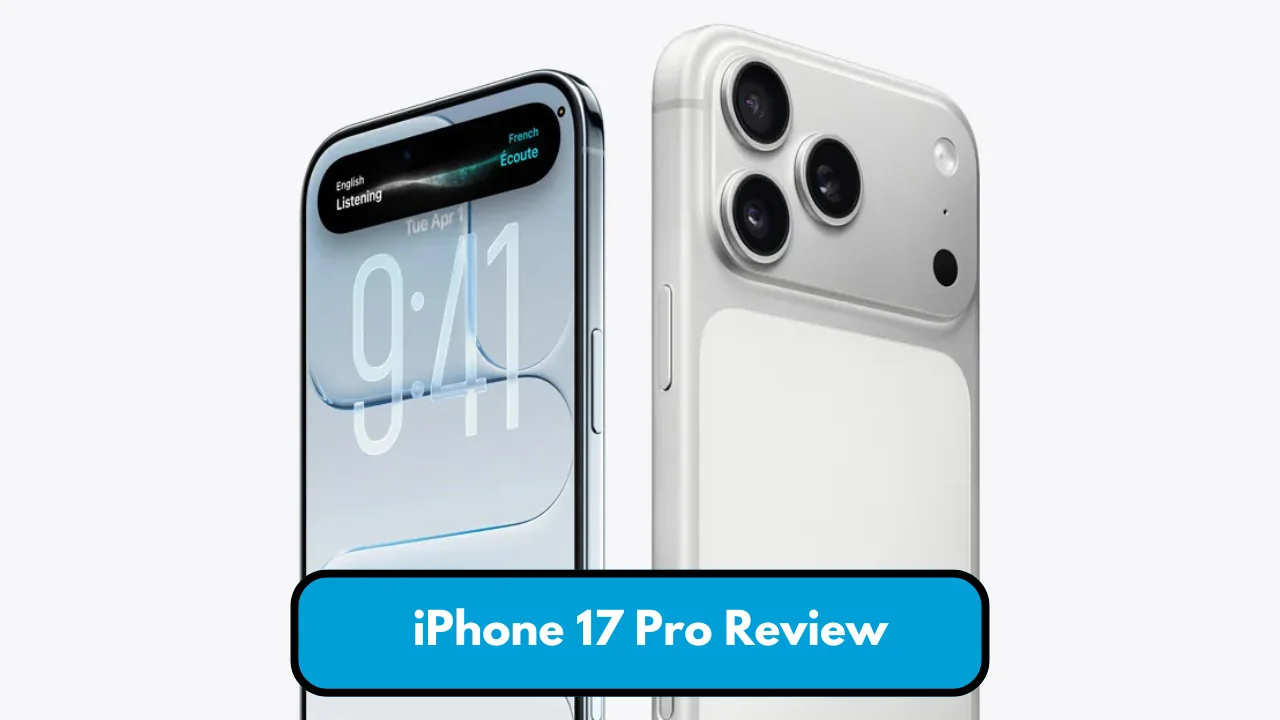
Hardware performance comparison narrows: iPhone 17 Pro (A20 Bionic, 40% faster neural engine) edges Snapdragon 8 Elite (3.4GHz, Oryon CPU) in single-core Geekbench (3200 vs 3000), Android leads multi-core (9500 vs 8500). Smartphone specs comparison 2026:
| Category | iPhone 17 Pro Max | Galaxy S25 Ultra | Pixel 10 Pro |
|---|---|---|---|
| Chip | A20 (3nm) | Snapdragon 8 Elite | Tensor G5 |
| RAM | 12GB | 16GB | 16GB |
| Display | 6.9″ 120Hz LTPO | 6.9″ 144Hz AMOLED | 6.8″ 120Hz |
| Battery | 4685mAh 40W | 5000mAh 45W | 5050mAh 45W |
Android wins price and affordability differences ($799 S25 vs $1199 iPhone), battery capacity (5000mAh+ norm).
Software Updates & Longevity
Software updates and support: iPhone’s gold standard, iPhone 12 (2020) gets iOS 20 (2026), 6-7 years guaranteed. Android fragmentation: Pixel/Samsung 7 years, Motorola/Oppo 3-4. Android vs iOS preference favors iPhone longevity (85% users prioritize).
Privacy, Security & Monetization
Privacy and security perceptions: Apple leads (98% “secure” rating), Android hardened via Titan M2, scoped storage. In-app spending differences: iOS 2.5x Android ($190B vs $75B 2025), premium apps thrive.
Buying Guide: Smartphone Buying Tips
Smartphone buying tips for choose between iPhone and Android:
Choose iPhone if: Ecosystem user, privacy priority, long support, camera consistency.
Choose Android if: Budget/customization, foldables, raw power, Google services.
How to choose iPhone or Android phone: Test in-store, consider trade-ins (Apple 60% value retention).
Regional & Trend Insights
Smartphone user trends 2026: Foldables (15% premium Android), AI agents (Gemini Live vs Siri 2.0), satellite SOS universal. iPhone vs Android market share insights: Android grows EM, iPhone premium steady.
Android customization vs iPhone security tradeoff defines choice, ecosystem lock-in vs flexibility.
iPhone vs Android verdict: Android wins value/variety, iPhone ecosystem/security. Platform loyalty and switching low (10% annual), satisfaction near-parity (87% iOS, 84% Android).
Conclusion:
In conclusion, the iPhone vs Android showdown in 2026 crystallizes as the ultimate expression of smartphone user trends 2026, where Android’s popularity and market share asserts Android’s global dominant share at 72.77% powering 3B+ devices across Samsung’s 19.7% shipment dominance, Xiaomi’s EM blitz, and foldable innovation, while iPhone user demographics command iOS in developed markets like the US (58.13% share), Japan (36.4%), and Canada (60%+) among affluent professionals averaging $110k incomes and 70% college-educated users who drive spending on apps and services at 2.5x Android levels ($190B vs $75B annually).
Comparison of iPhone and Android phones reveals hardware performance comparison parity, iPhone 17 Pro’s A20 Bionic edges single-core Geekbench (3200) while Snapdragon 8 Elite crushes multi-core (9500), 16GB RAM norms, and 5000mAh+ batteries with Android’s 45W+ charging supremacy, yet device variety and customization overwhelmingly favors Android’s 100+ flagships from $200 Pocos to $1800 Z Folds versus iPhone’s annual 4-model cadence. Ecosystem comparison (Apple vs Android) showcases iPhone’s seamless AirPods/Watch Handoff/AirDrop walled garden against Android’s fragmented but flexible Google Pixel/Samsung Galaxy sprawl, where Android customization vs iPhone security pits root access/Material You theming against Face ID/Secure Enclave and App Tracking Transparency that 98% perceive “secure.” Software updates and support cements iPhone superiority, iPhone 12 (2020) still receives iOS 20 with 7-year guarantees versus Android’s Pixel/Samsung parity but Motorola/Oppo’s 3-year lag, driving platform loyalty and switching at 91% iPhone retention vs 79% Android. Android vs iOS preference splits decisively:
creators/gamers embrace Android’s launchers/foldables/BGMI 120FPS, professionals prioritize iPhone’s camera consistency/longevity, while notification engagement favors Android (4.2 daily vs 3.8) but in-app spending differences and price and affordability differences make iPhone premium ($1199) versus Android value ($799 S25 Ultra). iPhone vs Android market share insights highlight consumer preferences by region, India/Brazil 95% Android budget dominance, US Gen Z 52% iPhone loyalty, while younger demographic preferences trend iOS among 18-34s. Smartphone buying tips for choose between iPhone and Android demand clarity: select iPhone for ecosystem lock-in, privacy fortress, 7-year support, computational photography; opt Android for raw variety (foldables, gaming beasts), customization freedom, global affordability.
How to choose iPhone or Android phone involves in-store testing, trade-in math (Apple 60% value retention), use-case alignment, productivity iPhone, power-user Android. Platform loyalty and switching remains low at 10% annually with 87% iOS/84% Android satisfaction parity, as privacy and security perceptions evolve with Google’s Titan M2 hardening. Smartphone user trends 2026 herald AI agents (Gemini Live vs Siri 2.0), satellite SOS ubiquity, foldables hitting 15% premium share, ensuring neither dominates universally but both elevate experiences.
iPhone vs Android verdict transcends tribalism: Android conquers value smartphones, global scale, hardware diversity; iPhone owns premium loyalty, ecosystem cohesion, long-term reliability, making choose between iPhone and Android a personalized manifesto where Android customization vs iPhone security perfectly balances individual priorities in 2026’s hyper-competitive landscape.