Google Pixel 9 Pro vs iPhone 16 Pro: Camera & AI Compared

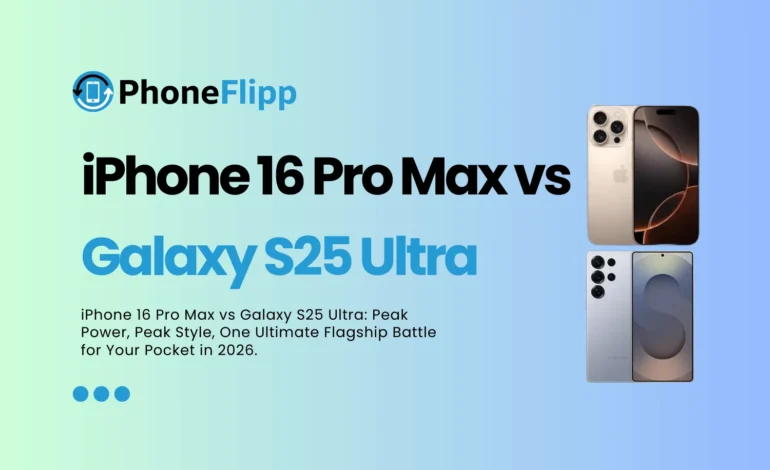
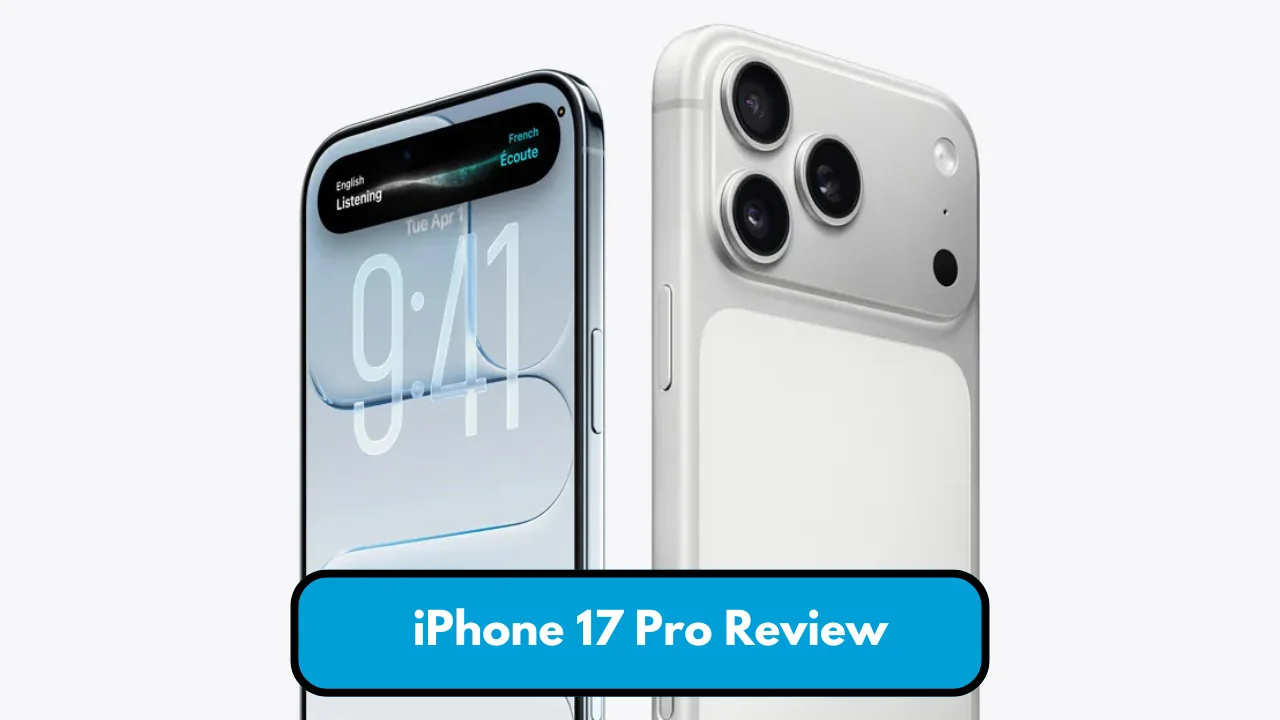
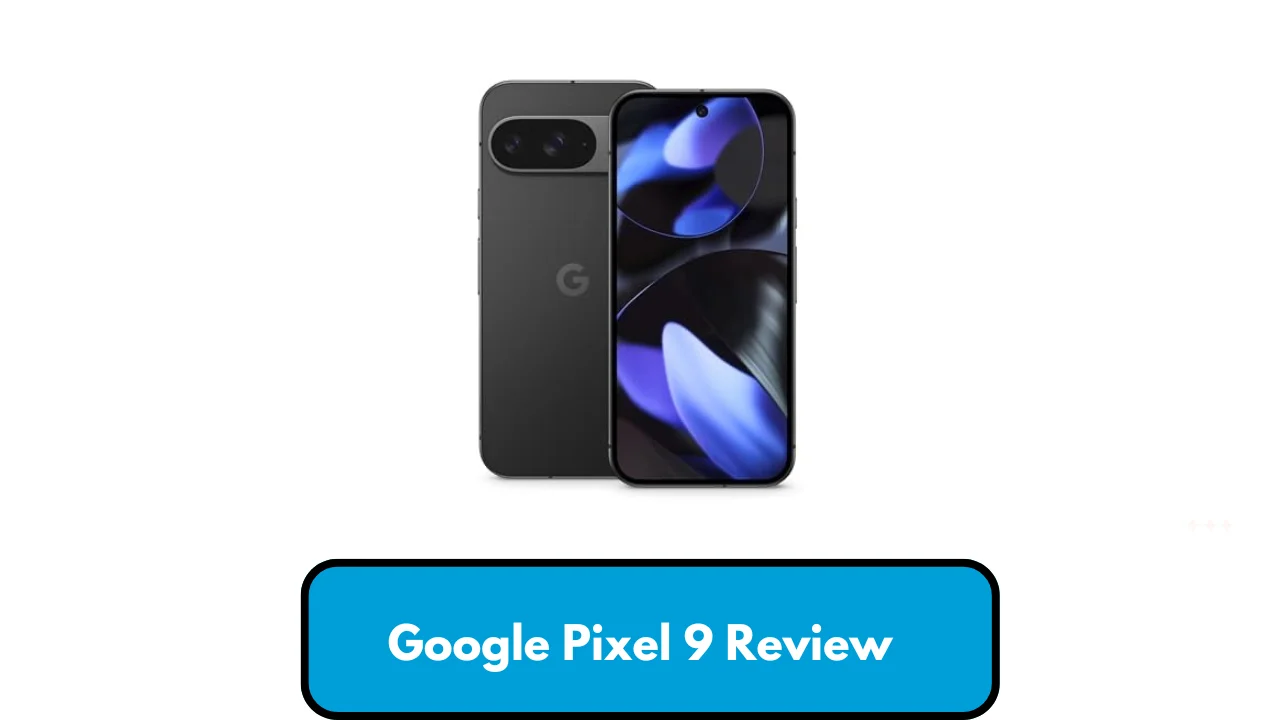
Among the best camera phones 2026, the Google Pixel 9 Pro (and Pixel 9 Pro XL) and Apple iPhone 16 Pro are the two flagship models everyone looks at for flagship smartphone camera comparison. The choice isn’t just about megapixels anymore; it’s about computational photography, AI camera features, and how reliably each phone produces great photos and videos in real-world conditions. This guide dives deep into iPhone 16 Pro vs Pixel 9 Pro camera performance, focusing on camera performance comparison, smartphone photography, and AI‑driven workflows.
Camera Hardware Overview: Sensors, Lenses, and Optical Zoom
Both phones use multi‑camera systems with a high‑resolution main sensor, ultra‑wide lens, and telephoto lens (5× optical zoom) on the Pro models. The Pixel 9 Pro and Pixel 9 Pro XL cameras share essentially the same camera setup.
Main sensors: 50 MP vs 48 MP
- Pixel 9 Pro camera (and 9 Pro XL)
- Main sensor megapixels: 50 MP, large 1/1.31″‑class sensor, wide aperture.
- Focus: Dual Pixel PDAF and laser autofocus for fast and reliable autofocus capabilities.
- Strengths: High photo detail and sharpness, excellent dynamic range performance, and strong low-light photography output thanks to a big sensor plus aggressive computational photography.
- iPhone 16 Pro camera
- Main sensor megapixels: typically 48 MP main sensor (continuing Apple’s high‑resolution Pro line trend).
- Uses sensor‑shift OIS (optical image stabilization) and phase detection AF.
- Strengths: Very accurate color accuracy and white balance optimization, natural skin tones, balanced HDR imaging, and excellent integration with Apple’s ISP.
Takeaway: On paper, the Pixel’s 50 MP 1/1.3x″‑class main sensor is slightly larger and tuned for aggressive detail and dynamic range, while the iPhone 16 Pro’s 48 MP sensor prioritizes tonal accuracy and consistency.
Ultra‑wide cameras
Both phones offer a high‑resolution ultra‑wide lens:
- Pixel 9 Pro: 48 MP ultra‑wide with a bright aperture and autofocus, great for landscapes, architecture, and close‑up macro‑style shots.
- iPhone 16 Pro: 12–13 MP‑class ultra‑wide (based on Apple’s usual pattern) with strong correction and color matching to the main camera.
Ultra‑wide comparison:
- Pixel tends to capture more photo detail and sharpness at the edges and uses its larger sensor for better low‑light ultra‑wide shots.
- iPhone tends to deliver more consistent colors across all lenses and slightly cleaner noise reduction with less aggressive sharpening.
Telephoto and optical zoom
This is where optical zoom and computational vs optical photography really meet:
- Pixel 9 Pro / 9 Pro XL
- 48 MP telephoto with around 5× optical zoom (110 mm‑class equivalent).
- Heavy use of computational photography to blend optical and digital zoom, so mid‑range zoom (2×–9×) often looks impressively clean.
- iPhone 16 Pro
- Telephoto lens with 3× optical zoom on the smaller Pro and 5× (tetraprism/periscope style) on the larger model, following Apple’s previous approach.
- Very strong image stabilization comparison for telephoto shots, helping handheld sharpness.
Zoom takeaway:
Pixel 9 Pro / 9 Pro XL generally delivers some of the sharpest zoomed photos at 5× and beyond thanks to high‑resolution telephoto and AI upscaling. The iPhone 16 Pro is slightly more conservative but often more consistent in color and exposure across zoom ranges.
2. Image Quality Comparison: Daylight, HDR, and Color
Daylight and dynamic range performance
Both phones excel in good light but make different aesthetic choices.
- Pixel 9 Pro / 9 Pro XL
- Very strong HDR imaging and dynamic range performance, with aggressive shadow lifting and highlight preservation.
- Images often look punchy, high contrast yet with visible shadow detail, leaning toward a “dramatic” computational look.
- Noise reduction is intelligent, but sometimes micro‑detail looks slightly processed when pixel peeping.
- iPhone 16 Pro
- More “natural” HDR: it respects global contrast more and avoids overly bright shadows.
- Very reliable white balance optimization and color accuracy, especially with skin tones and mixed lighting.
- Fine detail is crisp but not oversharpened; Apple tends to respect texture.
Result:
If you like high‑impact, dynamic images straight from the camera, Pixel is often more “wow” at a glance. If you want predictable, film‑like color and tonality that grades well, the iPhone 16 Pro tends to be slightly ahead.
Low-light photography and night mode
Low light is where computational photography dominates.
- Pixel 9 Pro: Night mode
- Advanced image processing algorithms and multi‑frame stacking.
- Excellent shadow recovery and highlight preservation.
- Night mode shots look bright and detailed, sometimes with a slightly cooler or more contrasty look.
- iPhone 16 Pro: Night mode
- Balanced approach: very good detail, but tries to preserve the scene’s original mood and brightness.
- Noise reduction is refined, with good control over color noise and minimal smearing.
Low-light verdict:
For “best low‑light shot with minimal effort,” Pixel 9 Pro/XL often leads with brighter, more detailed images—great for a Pixel 9 Pro vs iPhone 16 Pro camera low-light test. The iPhone 16 Pro remains excellent but prioritizes realism over exaggerated brightness.
Portrait mode and bokeh
Both phones offer strong portrait mode with background blur and subject separation:
- Pixel 9 Pro:
- Aggressive subject isolation and precise edge detection, even in tricky hair or glasses.
- Uses its main sensor and AI depth maps for realistic blur with adjustable intensity.
- iPhone 16 Pro:
- Natural‑looking bokeh, good skin tones, and the ability to change focus point after capture (building on Apple’s prior depth features).
- Portrait and cinematic video features share a consistent look and depth mapping.
In most camera performance comparison tests, Pixel may edge ahead in separation accuracy, while the iPhone wins in skin rendering and color.
3. Video Recording Capabilities: 4K, 8K, and Cinematic Tools
Resolutions and frame rates
Both phones support:
- 4K video recording at up to 60 fps on all major lenses.
- 8K video recording at 24/30 fps on the main camera (with Pixel often using cloud‑based AI upscaling and iPhone focusing on high‑bitrate capture).
When it comes to “best video recording phone 2026”, the decision hinges on stabilization, color, and advanced modes, not just resolution.
Image stabilization comparison
- Pixel 9 Pro / 9 Pro XL
- Uses OIS plus software stabilization, with smart horizon leveling and AI‑powered smoothing.
- Very stable, but sometimes introduces slight warping in extreme motion.
- iPhone 16 Pro
- Sensor‑shift OIS plus top-tier EIS gives some of the steadiest handheld footage available.
- Apple’s long history with stable 4K video results in very dependable output for vloggers and filmmakers.
For pure stabilization, the iPhone 16 Pro usually has a slight edge in video recording capabilities.
Cinematic video features
- iPhone 16 Pro cinematic video
- Extends Apple’s cinematic video features with advanced depth‑of‑field simulation, focus racking, and possibly higher resolution and frame flexibility than previous generations.
- Strong color science and wide app support (Final Cut, DaVinci, etc.) make it a favorite for mobile filmmakers.
- Pixel 9 Pro
- Emphasizes computational photography for video: improved HDR, noise reduction, and AI‑based stabilization.
- Integrates with Google Photos’ AI suite for reframing, color‑grading suggestions, and improved highlight/shadow management.
For the long‑tail question “iPhone 16 Pro cinematic video vs Pixel 9 Pro computational imaging”, the iPhone 16 Pro tends to be preferred by creators who want direct‑to‑edit films, while Pixel is loved by users who value smart AI assists and easy sharing.
4. Selfie Camera Comparison and Front‑Facing Video
Selfie sensors and autofocus
- Pixel 9 Pro / 9 Pro XL
- High‑resolution (around 42 MP) front camera with autofocus capabilities and a wide field of view.
- Excellent detail and dynamic range in selfies, strong for group shots.
- iPhone 16 Pro
- 12 MP‑class front camera with reliable AF and strong HDR, likely continuing Apple’s pattern.
- Accurate skin tones and natural background rendering.
Selfie camera comparison:
Pixel delivers higher detail and flexibility (especially for crops), while iPhone often produces more flattering, natural‑looking skin and smoother HDR in harsh light.
Front‑facing video
- Both can do 4K front‑facing video, making them good for vlogging.
- iPhone typically leads in front‑camera stabilization and audio capture nuance; Pixel offers clever AI enhancements and strong detail.
5. Computational Photography and AI Camera Features
This is the heart of the flagship camera comparison in 2026: computational vs optical photography plus AI camera features.
Pixel 9 Pro: AI-first computational imaging
The Pixel line is built around AI:
- Image processing algorithms
- Multi‑frame fusion for detail and low noise.
- Intelligent shadow recovery and highlight roll‑off.
- AI camera features (examples in the Pixel ecosystem)
- Magic Editor: move or resize subjects, remove unwanted objects.
- Best Take: swap faces from a burst to fix blinks in group photos.
- Enhanced noise reduction and sharpening trained on huge datasets.
These tools turn the Pixel 9 Pro into a “photo lab in your pocket,” especially for casual users who want share‑ready shots with minimal effort.
iPhone 16 Pro: Integrated AI with a focus on consistency
Apple leans heavily on on‑device processing, but in a more conservative style:
- Smart HDR and Deep Fusion‑style processing for detail and noise control.
- Very accurate white balance optimization and color accuracy, giving consistent output across lenses and lighting.
- AI‑powered features like subject recognition, smarter exposure metering, and improved portrait/background separation.
Rather than hyper‑editing photos, Apple’s approach is to produce a high‑quality “neutral base” image that creators can grade further; that matters for serious mobile photographers.
AI editing tools and workflows
- Pixel 9 Pro
- Built‑in AI editing tools (Magic Editor, Best Take) and Google Photos AI functions make it ideal if you edit primarily on-device and share to social media.
- Great for quick, dramatic transformations without third‑party apps.
- iPhone 16 Pro
- Strong ecosystem integration with pro apps; Live Photos, portrait depth data, and ProRes (on higher SKUs) give editors lots of latitude.
- AI features are more subtle but support robust editing pipelines.
If you want “push‑button magic” and heavy computational edits, Pixel 9 Pro leads. If you want predictable, gradeable files for a more traditional workflow, iPhone 16 Pro is often preferred.
6. Photo vs Video Quality: Which One Leads Where?
Photo quality: stills
- Pixel 9 Pro / 9 Pro XL
- Strengths: low-light photography, portraits, high‑DR scenes, and zoom performance.
- Style: Bold, high‑contrast, sometimes more processed.
- iPhone 16 Pro
- Strengths: Color, white balance, skin tones, and consistency across lenses.
- Style: Natural, realistic, great for later editing.
For pure photo output:
- Everyday users might favor Pixel’s “wow” factor straight from the camera.
- Enthusiast photographers often tilt toward the iPhone for its color and flexibility.
Video quality: “best video recording phone 2026”
- Pixel 9 Pro offers excellent 4K/8K with strong HDR and AI‑powered stabilization; it’s a big step up from earlier Pixels, especially in low light.
- iPhone 16 Pro retains a lead in overall video: stable, accurate, consistent, with pro‑grade frame rates and cinematic video features ideal for storytelling.
For most users, iPhone is still the safer pick if video is your top priority.
7. Flagship Smartphone Camera Comparison: Who Should Buy Which?
If you prioritize smartphone photography (stills first)
Choose Pixel 9 Pro / Pixel 9 Pro XL if:
- You want AI‑heavy computational photography that gives striking images with minimal editing.
- You care about long‑range optical zoom and great performance beyond 5×.
- You like experimenting with AI editing tools (Magic Editor, Best Take) and on‑device effects.
Choose iPhone 16 Pro if:
- You care deeply about color science, skin tones, and “camera‑like” rendering.
- You want a reliable performer across all conditions without surprises.
- You often edit in Lightroom, Capture One, or video editing suites.
If you’re heavy on video recording
- iPhone 16 Pro is still the favorite for creators: between 4K/8K video recording, sensor-shift OIS, and advanced cinematic video features, it’s hard to beat as a pocket video tool.
- Pixel 9 Pro is catching up fast, especially with AI‑powered enhancement and cloud upscaling, and is more than enough for social content and casual filmmaking.
If you care most about AI and computational imaging flows
- Pixel 9 Pro / XL is currently the reference standard for AI‑enhanced smartphone photography comparison.
- iPhone 16 Pro has strong AI under the hood, but its philosophy is to let you (or your desktop apps) do the creative heavy lifting.
8. Summary: Google Pixel 9 Pro vs iPhone 16 Pro
Framed as a “flagship phone camera performance comparison 2026”:
- Pixel 9 Pro vs iPhone 16 Pro camera low-light test
- Pixel usually wins on brightness and detail.
- iPhone keeps more natural look and cleaner noise pattern.
- iPhone 16 Pro cinematic video vs Pixel 9 Pro computational imaging
- iPhone leads for serious video creators.
- Pixel leads for AI‑driven stills and creative, instant edits.
- Best camera phones 2026
- For stills and AI photography: Pixel 9 Pro / 9 Pro XL are arguably at the top of the Android world.
- For video and color‑critical work: iPhone 16 Pro (and its larger sibling) remain the benchmark.
In practical terms:
- Pick Pixel 9 Pro / XL if you want maximum computational photography power, fun AI edits, and class‑leading zoom and night shots.
- Pick iPhone 16 Pro if you’re a hybrid shooter who values video as much as stills, wants consistent color and exposure, and prefers a more traditional imaging look with powerful editing flexibility.