Smart Watches vs Tablets: Which Should You Buy in 2026?

In this article, “Smart Watches vs Tablets: Which Should You Buy in 2025?”, As technology continues to evolve at a breathtaking pace, the gadgets we rely on daily are becoming increasingly sophisticated. In 2025, two categories of devices dominate personal tech: smartwatches and tablets.
Both promise convenience, connectivity, and productivity, but they cater to fundamentally different needs. Choosing between a smartwatch and a tablet depends on lifestyle, work, fitness goals, and personal preferences. This article dives deep into the features, use cases, advantages, and limitations of smartwatches and tablets, helping you make an informed choice in 2025.
Smartwatches in 2025: Beyond Just Timekeeping
Smartwatches are no longer just glorified wristwatches. In 2025, they are full-fledged wearables that combine style, health tracking, connectivity, and productivity tools on your wrist. Let’s explore their capabilities.
Wearables and Fitness Tracking
The modern smartwatch is designed for more than telling time. Fitness tracking is now a core functionality. Top smartwatches in 2025 can monitor heart rate, track daily steps, measure calorie burn, and even provide advanced exercise/workout tracking for running, swimming, cycling, and strength training. These devices are particularly useful for people who want to integrate wellness seamlessly into their daily routines.
Many models now feature sleep tracking that goes beyond simple hours slept. They provide sleep metrics, including REM cycles, deep sleep duration, and even suggestions to improve sleep quality. This health-centric approach ensures that wearables are not only tech gadgets but also personal wellness companions.
Health Tracking: Heart-Rate, GPS, and Beyond
Heart-rate monitoring has become incredibly precise thanks to advanced sensors. High-end smartwatches can even detect irregular heartbeats or monitor blood oxygen levels, providing early warnings for potential health issues. Additionally, GPS and location tracking are now standard, making these devices indispensable for outdoor workouts, navigation, and safety.
Battery Life: From Daily Charging to Multi-Day Use
Battery life remains a critical consideration. While earlier smartwatches required daily charging, 2025 models, especially high-end premium smartwatches, now offer multi-day battery life, even with GPS and continuous health monitoring enabled. Affordable or budget smartwatches still tend to have shorter battery life, typically lasting 1–2 days, but they provide a great entry point for casual users.
Operating Systems: Wear OS and watchOS
Smartwatches run on operating systems like Wear OS (for Android compatibility) and watchOS (for iOS compatibility). These systems determine app support, notifications, and seamless integration with smartphones. Wear OS offers extensive customization, while watchOS provides an intuitive interface and deep integration with Apple devices.
Notifications and Smartphone Integration
A smartwatch can handle notifications, calls, and messages directly from your wrist. This smartphone integration reduces the need to constantly check your phone, helping with productivity and convenience. Many watches also support apps for productivity, music control, and even mobile payments.
Design, Build Quality, and Display
Modern smartwatches feature AMOLED or OLED displays for vibrant visuals and energy efficiency. Design and build quality have also improved, with materials like titanium, aluminum, and premium bezels making devices both durable and stylish. Whether you choose a sleek, minimalistic design or a rugged, sport-oriented watch, there’s something for every taste.
Waterproofing is another key consideration. Most smartwatches now offer 5 ATM or 100m water resistance, making them suitable for swimming and showering without worry.
App Support and Third-Party Integration
App ecosystems have grown significantly. From fitness apps to meditation guides and productivity tools, third-party app support enhances functionality. Users can personalize their smartwatch experience to suit their lifestyle, making them versatile companions for health, work, and leisure.
Price and Value for Money
In 2025, the smartwatch market ranges from affordable budget models starting around $100 to high-end premium devices exceeding $1,000. While budget smartwatches cover essential fitness tracking and notifications, high-end models excel in health monitoring, display quality, battery life, and app support. Editors often recommend balancing value for money with desired features.
Best overall smartwatches in 2025 include the Apple Watch Series 9, Samsung Galaxy Watch 7, and Garmin Fenix 8, each excelling in different use cases.
Tablets in 2025: Portable Powerhouses
While smartwatches focus on convenience and health, tablets dominate in areas like productivity, media consumption, and creative work. Let’s examine why tablets remain a staple in 2025.
Portability and Productivity
Tablets are portable devices that blend the functionality of laptops with the mobility of smartphones. They are ideal for professionals, students, and creatives who need a larger screen for work, presentations, or study while remaining mobile. With detachable keyboards, stylus support, and multi-window functionality, tablets are highly versatile.
Performance and Operating Systems
Modern tablets run on powerful operating systems such as iPadOS, Android, and Windows. This ensures smooth multitasking, high-performance gaming, and professional software support. With processors rivaling laptops, tablets can handle video editing, graphic design, and gaming effortlessly.
Display Quality and Battery Life
Top tablets now feature AMOLED/OLED displays, providing sharp, bright visuals for media, gaming, and creative work. Battery life ranges from 8 to 12 hours under heavy usage, making them reliable for work and travel. Large screens also enhance productivity for multitasking, reading, and drawing.
Connectivity and App Ecosystem
Tablets support Wi-Fi, cellular connectivity, and Bluetooth, enabling seamless internet access, calls, and peripheral support. Their app ecosystems are robust, with thousands of apps optimized for tablets, from productivity and creative tools to streaming and gaming.
Use Cases: Gaming, Study, and Professional Work
Tablets excel in multiple use cases:
- Gaming: Large, high-refresh-rate screens and powerful GPUs enhance mobile gaming.
- Creative work: Stylus support makes tablets ideal for drawing, photo editing, and design.
- Study and productivity: Tablets support note-taking, document editing, and collaboration apps, making them indispensable for students and professionals.
Smart watches vs Tablets: Side-by-Side Comparison
Choosing between a smartwatch and a tablet in 2025 requires evaluating your lifestyle, priorities, and use cases.
| Feature | Smartwatch | Tablet |
|---|---|---|
| Portability | Ultra-portable, worn on wrist | Portable, requires bag or hand |
| Fitness & Health | Excellent, with heart-rate monitoring, sleep tracking, exercise tracking | Limited, requires third-party apps or accessories |
| Notifications | Direct on wrist, instant access | On-screen, requires unlocking device |
| Productivity | Limited (apps, messages) | High (document editing, multitasking, creative work) |
| Media | Small screen, audio only | Large display, ideal for video, games, reading |
| Battery Life | 1–7 days | 8–12 hours of heavy usage |
| Price | $100–$1,000+ | $200–$2,000+ |
| App Ecosystem | Wear OS/watchOS apps | iPadOS/Android/Windows apps |
| Waterproof | 5 ATM / 100m | Usually splash-proof, not suitable for swimming |
Use Case Scenarios
- Fitness enthusiasts: Smartwatches win with advanced tracking and heart-rate monitoring.
- Professionals on the go: Tablets are better for productivity, presentations, and multitasking.
- Travelers: Smartwatches provide lightweight, always-on convenience. Tablets provide entertainment and work flexibility.
- Media consumption: Tablets dominate with large, high-resolution displays.
Price-to-Value Comparison
Smartwatches generally offer excellent value for fitness and lifestyle tracking, especially budget models. Tablets provide greater productivity and entertainment value but come at a higher price point for top-tier performance.
Integration with Smartphones and Smart Home Devices
Smartwatches integrate tightly with smartphones for notifications, music control, and calls. Tablets act as companion devices, supporting smart home control apps, remote work tools, and media streaming.
Buying Guide 2025: How to Choose
Choosing between a smartwatch and a tablet depends on your goals, lifestyle, and budget.
Lifestyle Considerations
- Health-focused users: Prioritize smartwatches with heart-rate monitoring, GPS, and exercise tracking.
- Productivity-focused users: Invest in a high-performance tablet for work, study, or creative projects.
- Travelers: A smartwatch provides portability and essential notifications on the go.
Budget and Price Range
- Affordable smartwatch: Great for beginners or casual users, providing basic fitness tracking and notifications.
- High-end smartwatch: For advanced health monitoring, multi-day battery life, and premium design.
- Tablets: Choose based on desired screen size, performance, and ecosystem compatibility. High-end tablets offer desktop-level performance but at a premium price.
Operating System Compatibility
- Smartwatches: Ensure Android compatibility (Wear OS) or iOS compatibility (watchOS).
- Tablets: Consider ecosystem (iPadOS for Apple, Android for Samsung/Google, Windows for Surface).
Recommendations 2025
Best Overall Smartwatches:
- Apple Watch Series 9 (watchOS) – Best for iPhone users
- Samsung Galaxy Watch 7 (Wear OS) – Best for Android users
- Garmin Fenix 8 – Best for fitness enthusiasts
Best Overall Tablets:
- iPad Pro M3 – Best for professionals and creatives
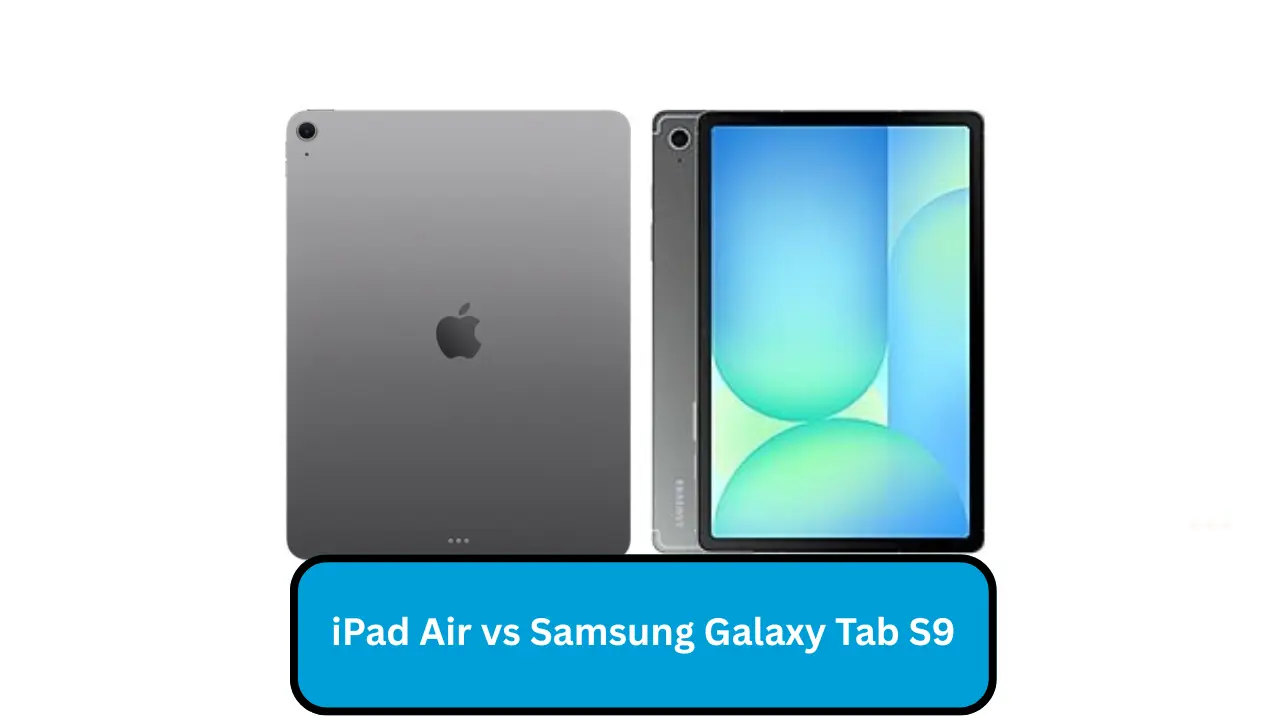
- Samsung Galaxy Tab S9 – Best Android tablet
- Microsoft Surface Pro 10 – Best for Windows users and hybrid productivity
Conclusion: Smart watches vs Tablets in 2025
In 2025, the choice between a smartwatch and a tablet comes down to lifestyle, use case, and priorities. Smartwatches are unmatched for fitness tracking, health monitoring, convenience, and instant notifications. Tablets excel in productivity, media consumption, creative work, and multitasking.
For health-conscious, always-on-the-go users, a smartwatch is the perfect companion. For professionals, students, and media enthusiasts, a tablet is a powerhouse of productivity and entertainment.
Ultimately, some users may even find the combination of both devices the perfect synergy, wear a smartwatch for health and connectivity, and carry a tablet for work and media. Regardless of your choice, 2025 offers devices that are smarter, faster, and more integrated than ever.