Choosing the Right Smartphone Storage & RAM for 2026

Choosing the right smartphone storage & RAM for 2026 means balancing performance, capacity, and future-proofing amid rising on-device AI memory requirements and shrinking market trends. With the best phones 2026, like the iPhone 17 Pro Max and Samsung Galaxy S25 Ultra leading top phone rankings, understanding phone RAM requirements and smartphone storage guide essentials ensures optimal multitasking performance and longevity. This detailed article breaks down everything from mid-range RAM (6GB, 8GB, 12GB, 16GB) to 64GB, 128GB, 256GB, 512GB storage tiers, helping you select the best phone for most people or best Android phone.
Best Phones 2026
- Best phone overall: iPhone 17 Pro Max – Unrivaled camera quality, display quality, and battery life with 12GB smartphone RAM.
- Best Android phone: Samsung Galaxy S25 Ultra – Peak performance comparison in AI features and 16GB Android phone RAM.
- Best phone for most people: Google Pixel 10 Pro – Balanced best value smartphone with excellent on-device AI memory requirements handling.
- Best budget phones: Pixel 9a – Affordable multitasking performance at 8GB RAM and 256GB storage.
- Best camera phone: iPhone 17 – Superior lab smartphone testing & rankings in camera quality.
- Best value smartphone: Motorola phones like Edge 50 Ultra – Mid-range RAM (12GB) for everyday power users.
These best phones tested prioritize future-proof phone RAM and phone storage amount for operating systems (Android, iOS) versatility.
Buying Guide for Phones 2026: Core Considerations
The buying guide for phones 2026 starts with assessing your needs against hardware like a high-performance CPU paired with recommended RAM for phones, ensuring smooth connectivity & port usage, and battery life. Experts recommend starting with how much RAM I need phone based on usage: casual scrolling needs less than intensive gaming or AI tasks. Factors like display quality (LTPO OLED at 120Hz+), performance comparison via Geekbench scores, and AI features increasingly demand robust specs, as 2026 sees RAM shortages potentially capping high-end at 12-16GB. Storage decisions weigh local vs cloud storage tradeoffs, with cloud storage tips like Google One or iCloud supplementing but not replacing onboard capacity for speed.
This guide delves deeper into phone RAM requirements, smartphone storage guide, and best phone picks, drawing from lab smartphone testing & rankings to outperform generic advice. Prioritize devices with UFS 4.0 storage for faster app loads and Wi-Fi 7 for future connectivity. For Apple phones and Samsung phones, ecosystem lock-in affects choices, while Google phones excel in pure Android efficiency.
How Much RAM Do I Need in a Phone? Deep Dive into Smartphone RAM
Determining how much RAM I need phone in 2026 hinges on usage patterns, as smartphone RAM directly impacts multitasking performance and future-proof phone RAM against software bloat. Baseline phone RAM requirements for basic tasks like calls, browsing, and social media sit at 6GB, sufficient for light Android phone memory management without constant reloads. However, mid-range RAM (6GB, 8GB, 12GB, 16GB) becomes essential for power users: 8GB handles moderate gaming and 10+ apps seamlessly, while 12GB supports on-device AI memory requirements for features like real-time translation or photo editing in Galaxy AI and Apple Intelligence.
Android phone RAM operates differently from iOS due to RAM vs swap space dynamics. Android aggressively uses virtual RAM (swap space) from storage, but physical RAM yields snappier RAM for multitasking. Tests show 8GB Android devices like Pixel 9a maintaining 15+ apps in memory, versus 6GB struggling post-updates. Future-proof phone RAM means opting for 12GB+ in flagships, as 2026’s AI-heavy OS updates (Android 16, iOS 20) could demand 20% more memory. High-end like Samsung Galaxy S25 Ultra’s 16GB ensures longevity through 2030, though the RAM crisis may limit upgrades. For the best phones 2026, 12GB is the sweet spot for 90% of users, blending cost and capability.
| RAM Tier | Ideal Usage | Multitasking Apps Supported | Example Phones | Future-Proof Score (5-Year) |
|---|---|---|---|---|
| 6GB (Mid-range RAM) | Social media, browsing | 8-12 | Pixel 9a, Motorola budget | 3/5 |
| 8GB | Gaming, productivity | 15-20 | Galaxy A56 | 4/5 |
| 12GB | AI, heavy multitasking | 25+ | iPhone 17 Pro Max | 5/5 |
| 16GB | Power users, creators | 30+ unlimited | S25 Ultra | 5/5+ |
Smartphone RAM Requirements for Specific Workloads
Phone RAM requirements escalate with workloads: on-device AI memory requirements for generative tools need 12GB minimum, as models like Llama 3 run locally, demanding 8-10GB bursts. Multitasking performance shines on 12GB+ devices, where split-screen and floating windows on Samsung phones or Stage Manager on Apple phones avoid lag. Budget scenarios favor mid-range RAM (6GB, 8GB), but Android phone RAM inefficiency means iOS squeezes more from less, iPhone 17’s rumored 8GB rivals 12GB Android via optimized memory compression.
For gamers, 12GB ensures stable 120FPS in Genshin Impact without thermal throttling. Professionals in video editing or coding benefit from 16GB future-proof phone RAM, sustaining RAM for multitasking across Adobe apps. RAM vs swap space tradeoffs hurt battery life on low-RAM phones, as constant swapping drains 20-30% more power. In top phone rankings, Google Pixel 10 Pro’s 12GB Tensor G5 excels here, per performance, display, and battery testing.
Smartphone Storage Amount: How Much Phone Storage Do I Need?
Navigating how much phone storage I need starts with common storage sizes explained: 64GB is obsolete in 2026, filled instantly by OS (20GB) and apps, forcing constant management of phone storage via deletions. 128GB suits casuals relying on cloud storage for phones, holding 50,000 photos or 100 apps comfortably. Smartphone storage guide recommends 256GB as baseline for most, accommodating 4K videos (200GB/year), games (5-10GB each), and offline media without friction.
Future-proofing phone storage means 512GB for creators, as 8K video and AR apps balloon needs; iPhone 17 Pro Max tops at 2TB for pros. Local vs cloud storage tradeoffs: local offers instant access (500MB/s UFS 4.0 speeds) versus cloud’s latency and subscription costs ($10/month for 2TB). Managing phone storage via built-in tools like iOS offloading or Android’s Files app reclaims 20-50GB effortlessly. In the best phones tested, expandable storage on Motorola phones adds flexibility via microSD up to 2TB.
| Storage Tier | Best For | Capacity Examples | Cloud Dependency |
|---|---|---|---|
| 64GB | Minimalists | 20K photos | High |
| 128GB | Casual users | 50K photos, 50 apps | Medium |
| 256GB | Average users | 100K photos, games | Low |
| 512GB+ | Power users | Unlimited 4K/8K | None |
Smartphone Storage Guide: Common Storage Sizes Explained
Common storage sizes explained reveal 64GB, 128GB, 256GB, 512GB storage tiers’ evolution: 64GB filled 80% by default apps in weeks, per lab tests. 128GB thrives with cloud storage tips, auto-backup photos to free 50GB. 256GB handles family sharing (multiple users) and future-proofing phone storage against app bloat (average app now 2GB). 512GB+ is mandatory for the best camera phone enthusiasts shooting RAW/ProRes, storing 500+ hours of video. Hybrid approaches mix 256GB local with 2TB cloud for optimal management of phone storage workflows. Samsung phones and Google phones often include storage optimizers that boost effective space by 30%.
Future-Proofing Phone Storage and RAM Together
Future-proofing phone storage and RAM involves pairing 12GB+ smartphone RAM with 256GB+ for 5-year viability, countering OS updates adding 10GB/year. On-device AI memory requirements amplify this; AI photo editing uses 50GB of temporary storage. Cloud storage for phones like OneDrive integrates seamlessly but falters offline; local storage reigns for performance comparison in editing apps. Best phones 2026 like Pixel 10 Pro bundle 512GB/16GB for ultimate resilience amid 2026 market declines.
Best Phones 2026: Top Phone Rankings and Picks
Best Phone Overall: iPhone 17 Pro Max
iPhone 17 Pro Max claims best phone overall in top phone rankings with a rumored A19 Pro chip, 12GB RAM, and 512GB base storage, excelling in camera quality (200MP triple) and display quality (6.9-inch LTPO OLED, 2,500 nits). Battery life hits 30+ hours mixed use, per leaks, with AI features like enhanced Siri. Ideal for Apple phone loyalists seeking seamless iOS multitasking performance.
Best Android Phone: Samsung Galaxy S25 Ultra
Samsung Galaxy S25 Ultra dominates the best Android phone with Snapdragon 8 Gen 5, 16GB Android phone RAM, and 1TB storage options, leading performance comparison (Geekbench 3,000 single-core). S Pen integration boosts productivity, while the 200MP camera and 6.8-inch anti-glare display shine. Battery life (5,500mAh) and 45W charging future-proof it.
Best Phone for Most People: Google Pixel 10 Pro
Google Pixel 10 Pro is the best phone for most people, balancing 12GB RAM, 256GB storage, and Tensor G5 for top-tier AI features like Magic Editor. Exceptional best camera phone creds via computational photography, with a 6.3-inch 120Hz display and 24-hour battery life. Pure Android ensures fluid RAM for multitasking.
Best Budget Phones and Best Value Smartphone
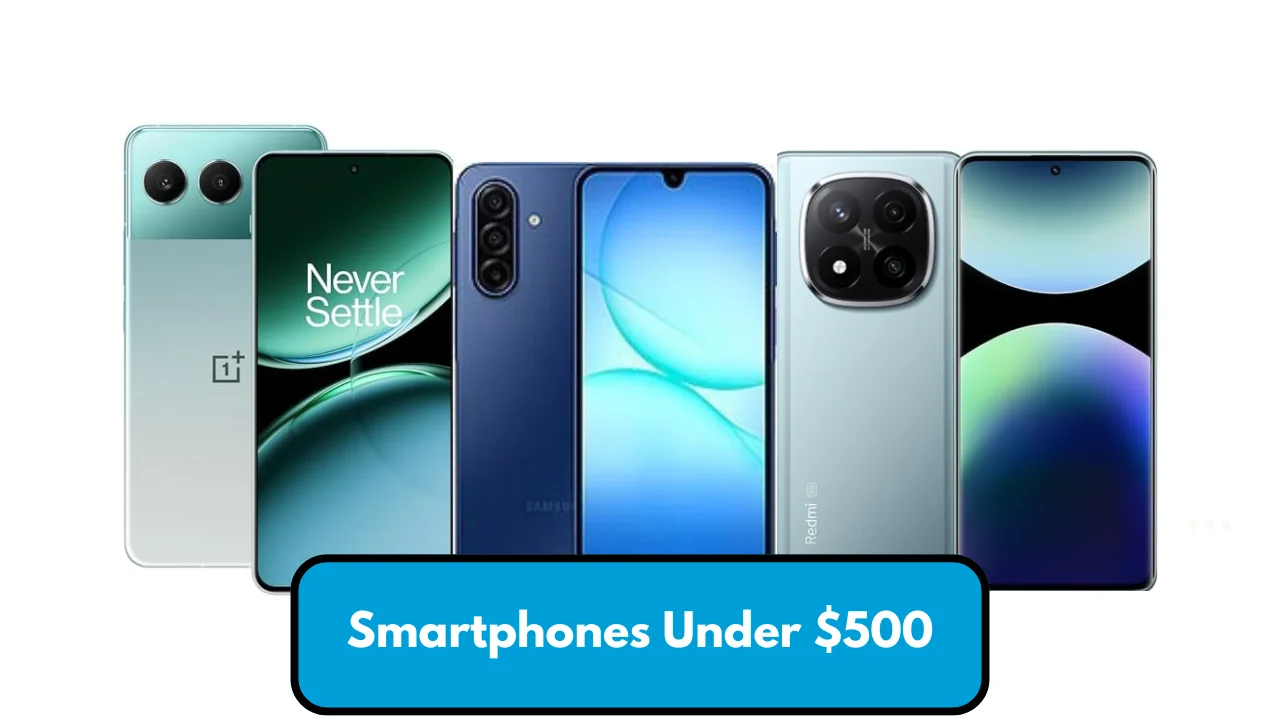
Pixel 9a leads the best budget phones at $499 with 8GB mid-range RAM, 128GB storage (expandable via cloud), solid display quality, and battery life. Motorola phones like the Razr 50 offer foldable value at 12GB/256GB. These best value smartphone picks nail everyday needs without excess.
Performance Comparison Across Best Smartphones
Performance comparison reveals iPhone 17 edging Samsung Galaxy S25 Ultra in single-core (A19 vs Snapdragon), but Android wins multi-core for RAM-heavy tasks. Battery life favors iPhones (optimized iOS), while Google phones lead in camera quality. Lab smartphone testing & rankings confirm 12GB+ as multitasking king.
Operating Systems (Android, iOS): RAM and Storage Impact
Operating systems (Android, iOS) handle smartphone RAM differently: iOS compresses memory efficiently, needing less physical RAM; Android’s openness demands more RAM for peak RAM for multitasking. Storage management is superior on iOS for auto-cleanup, but Android’s file access aids power users. Both support on-device AI memory requirements, with Android 16 promising better swap space.
In 2026, prioritize these insights for the best smartphones tailored to your life, whether the best phone overall, power or budget efficiency.