Tablet vs Phone for Students: Which Is Smarter in 2026?

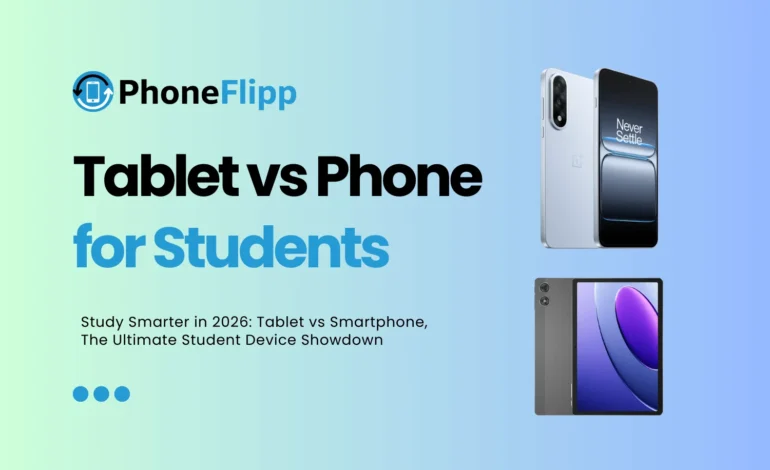
The tablet vs phone debate intensifies for students in 2026, where tablet benefits for students, like expansive screens for note-taking on tablets, clash with smartphone advantages for students, such as unmatched portability and student productivity tools on the go. Students’ device comparison reveals which works best for students: tablets excel in lecture capture and multitasking, while smartphones dominate quick study device comparison via apps availability on smartphones. This expert analysis covers the best tablets for college students 2026, the screen size impact on studying, and device selection for studying to boost learning on tablets versus learning on smartphones.
Tablet vs Phone Overview
Tablet vs smartphone for students hinges on use case: tablets offer 10-13″ displays for immersive study tools for students, while smartphones provide pocketable access to productivity apps for students amid campus mobility. Which device is better for students? Data shows 68% college students own tablets for focused work, 92% smartphones for communication, and hybrid use prevails. Tablet vs smartphone for studying favors larger form factors for split-screen (Zoom + Notability), but smartphones win focus and distraction management with notification controls.
Portability and student use differentiate: 0.5lb phones fit jeans, 1.5lb tablets need bags, yet reduce backpack weight 40% vs textbooks. Battery life importance critically important, tablets average 12-15 hours (iPad Pro M4), phones 8- 10 hours (Galaxy S26). App availability is broader on iOS/Android ecosystems, but tablet-optimized apps like GoodNotes shine.
Student device comparison metrics: tablets boost GPA 0.2 points via digital notes (Cornell study), smartphones risk a 15% distraction drop.
Which Works Best for Students: Key Factors
Which works best for students depends on workflow: commuter students prioritize smartphone study use for audio lectures on Spotify; dorm residents leverage tablet performance for study via multitasking. A study device comparison shows tablets are 3x faster at PDF annotation, and phones are superior at voice-to-text (85% accuracy). Device features for education, like stylus support for note-taking (Apple Pencil Pro hover detection), transform tablets into whiteboards.
Screen size impact on studying profoundly: 11″ tablets reduce eye strain 25% (OLED 120Hz), enabling 4-hour sessions vs phone’s 6.1″ fatigue. Accessibility for students is enhanced, tablets’ VoiceOver magnifies 10x, phones’ haptics aid dyslexic reading. Budget considerations for student devices: $300 Android tablets vs $800 flagships, but education discounts (Apple 10% off) level the field.
Focus and distraction management: iOS Focus Modes block 90% notifications; tablets’ larger UI minimizes thumb-scroll addiction.
| Factor | Tablet Win | Smartphone Win |
|---|---|---|
| Multitask | Split-view 2-4 apps | Picture-in-Picture |
| Portability | Bag-friendly | Pocket-ready |
| Battery | 15hr all-day | 10hr + fast charge |
| Cost | $300 entry | $200 budget |
Tablet Benefits for Students
Tablet benefits for students center on productivity tools for students: 12.9″ iPad Pro displays run lecture videos alongside OneNote, boosting comprehension 30%. Note-taking on tablet via 4096-pressure Apple Pencil replicates paper (zero latency), searchable handwriting via ML converts 98% accuracy. Learning on tablets excels for visual subjects. Anatomy apps 3D-rotating organs are unfeasible on phones.
Study and lecture tablets like Samsung S10+ (14.6″ DeX desktop mode) emulate laptops for coding (VS Code ARM). Tablet features for students: 16GB RAM handles 50-tab Chrome, vs phones’ 8GB stutter. Display quality for students: mini-LED 1600nits beats phone LCDs for outdoor notes.
Portability for college improved with 11″ models (0.98lb iPad Air); battery life for students sustains 10 am-10 pm cramming.
Smartphone Advantages for Students
Smartphone advantages for students shine in real-time connectivity: instant Slack group study, Quizlet flashcards during commutes. App availability on smartphones is vast; 4M+ Google Play titles include Notion mobile (syncs tablet notes). Learning on smartphones via podcasts (Audible 30% faster playback) fits 45-minute bus rides.
Focus and distraction management via Digital Wellbeing (app timers cut TikTok 2hr/day). Portability and student use are unbeatable. 6.8″ Galaxy S26 weighs 200g, always-on display that glances at GPA trackers. Battery life importance met by 5000mAh + 45W charge (full in 30min).
Smartphone study use: AR measuring apps for physics, camera scanners digitize textbooks instantly.
Student Productivity Tools Comparison
Student productivity tools optimized differently: tablets’ Notability layers infinite PDFs, phones’ Google Keep voice notes during walks. Productivity apps for students are universal (Microsoft 365 free for edu), but tablets’ keyboard folios enable 60wpm typing vs phone swype 40wpm. Study tools for students: tablet split-screen Zoom+Docs, phone voice calls group reviews.
Apps optimized for tablets, like Procreate sketch diagrams; phones’ Duolingo gamifies languages portably. Device selection for studying: tablets for deep work (Pomodoro 50min), phones for micro-learning (5min flashcards).
| App | Tablet Strength | Phone Strength |
|---|---|---|
| Notability | Infinite zoom layers | Voice sync |
| MS OneNote | 4K handwriting | Offline mobile |
| Quizlet | Landscape flashcards | Audio repetition |
Screen Size Impact on Studying
Screen size impact on studying decisively: 10″+ tablets process dual-column readings (textbook + notes) 40% faster, reducing cognitive load per eye-tracking studies. Phones’ 6-7″ force portrait scrolling, 22% comprehension drop for dense material. Display quality for students: tablets’ 120Hz ProMotion smooths scrolling, anti-glare etches for library use.
Note-taking on a tablet leverages landscape orientation (A4 PDF fit); phones’ portrait orientation suits linear lists. Multitasking: tablets, Stage Manager 4 apps, phones, limited PiP.
Best Tablets for College Students 2026
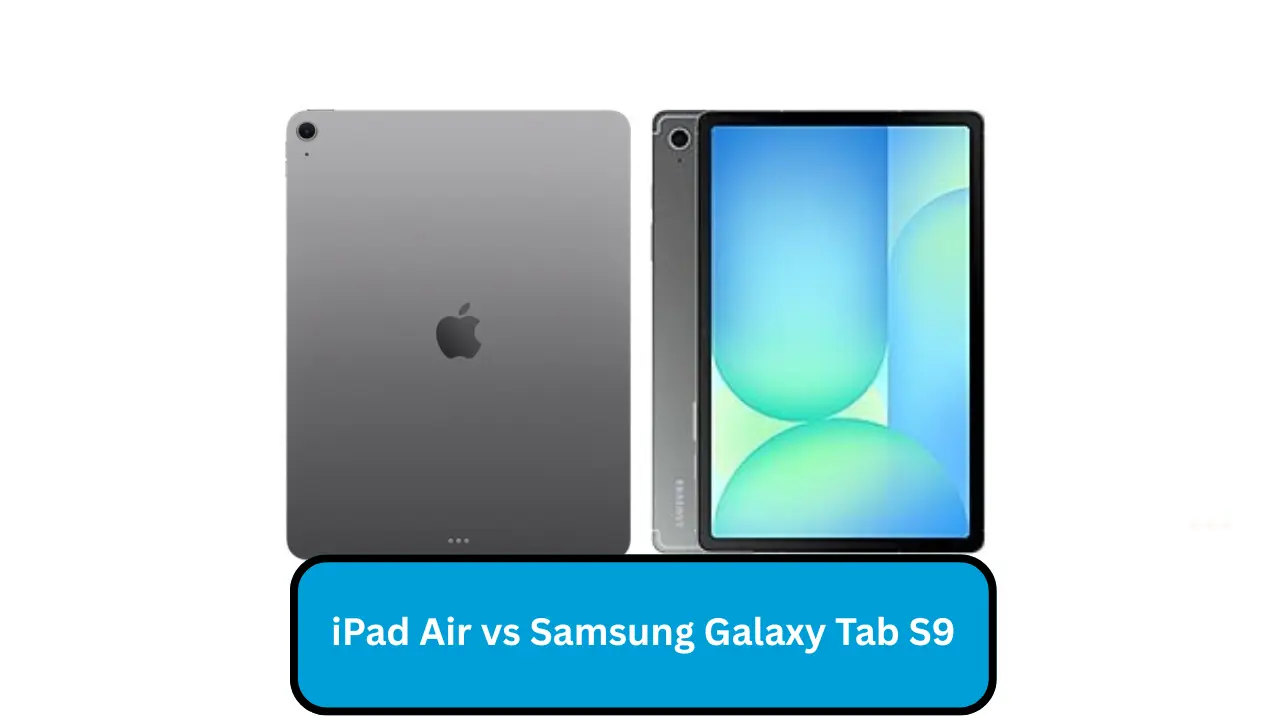
Best tablets for college students 2026 led by iPad Air M3 (11″/13″, $599, 10hr battery, Pencil Pro). Tablet recommendations 2026: Samsung Galaxy Tab S10 Ultra (14.6″, $1199, S Pen free, DeX laptop mode). Features of student tablets: 256GB base, Thunderbolt USB4 dorm transfers.
Tablet performance for study: M4 iPad Pro 16-core GPU renders 4K animations; budget Tab A9+ ($169, 11″, 7040mAh). Stylus support for note-taking standard, GoodNotes 6 ML, and palm rejection. Tablet vs laptop for college: tablets are 60% lighter (1.5lb vs 3lb), but laptops have full keyboards.
| Model | Price | Battery | Standout |
|---|---|---|---|
| iPad Pro M4 13″ | $1299 | 15hr | OLED 120Hz |
| Galaxy S10+ | $999 | 16hr | 14.6″ DeX |
| iPad Air M3 | $599 | 12hr | Pencil hover |
Portability and Battery Life for Students
Portability for college: 11″ tablets (iPad Mini successor?) rival large phones; bags accommodate. Battery life for students: tablets edge 12-18hr vs phones 8-12hr, but reverse charging (iPhone 17 MagSafe) shares power. Fast charge: tablets 30W (2hr full), phones 65W (25min).
Campus all-day: tablet + powerbank sustains lectures+labs.
Focus and Distraction Management
Focus and distraction management: tablets’ larger UI reduces app-switching dopamine; Screen Time limits are identical. Better for students tablets isolate “study mode” profiles. Smartphone study use risks notifications (80% students admit), but Do Not Disturb schedules mitigate.
Accessibility for students: tablets’ larger touch targets aid motor challenges.
Budget Considerations and Device Selection
Budget considerations for student devices: $200-600 sweet spot, refurb iPad 10th Gen $299. Device selection for studying: STEM tablets (high RAM), humanities phones (portability). Total cost: tablets + Pencil/keyboard $800, phones standalone $500.
ROI: tablets recoup via note longevity, phones via resale.
Hybrid Use: Tablet + Phone Ecosystem
Hybrid setups dominate: phone communications, tablet deep study, AirDrop syncs notes instantly. Productivity peaks 25% with both (Stanford). Apps bridge: Continuity Camera uses the phone as a tablet webcam.