Best Phones for Long-Term Software Updates in 2026

Best phones for long-term software support in 2026 are the ones that combine 5–7+ years of OS and security updates with strong performance, efficient software, and a healthy ecosystem so they stay fast, safe, and enjoyable much longer than average phones.
This guide focuses on the best phones for long-term software updates in 2026, how Android vs iOS software support compares, and which models are genuinely future-proof phones for long-term investment.
Why long-term software updates matter
Long-term software updates are the single most important factor for how long a smartphone remains safe and usable, even more than cameras or charging speed. When we talk about long-term software support, we mean both major OS upgrades and extended security patches over 5–7+ years, not just one or the other.
Update longevity benefits include:
- Better protection from new malware and exploits thanks to extended security patches and security updates longevity
- Performance stability over years as vendors tune the software, drivers, and AI features in mobile OS for aging hardware.
- Access to new AI features in smartphone software (on‑device assistants, smarter camera processing, live translation) that roll out via OS updates and feature drops.
- Higher resale value, because phones with extended OS support remain attractive for second owners.
- Lower e‑waste and better long-term investment, since you replace your device less often.
Without long-term software updates, even the best smartphones overall start to feel old: apps stop updating, banking apps may refuse to run on insecure builds, and browsers miss critical security patches. That is why phones good for future-proofing devices must be chosen primarily on software support impact on long life, not just specs.
How Android vs iOS software support compares
Android vs iOS software support has historically favored Apple on pure years of updates, but the gap is much smaller in 2026 as top Android vendors push towards 7+ years of updates.
iOS software support
- iPhones typically receive 5–6 major iOS versions plus extended security updates, meaning total support often reaches 7 years or more.
- Apple controls the full stack (chips, OS, ecosystem), which helps maintain performance stability over years even as new features arrive.
Android software support
Android software support is more varied, but flagship long-term support phones from Samsung and Google now promise 7‑year support noted at launch.
- Samsung Galaxy long support: current Galaxy S‑series flagships offer 7 years of Android OS updates and 7 years of security updates.
- Google Pixel long updates: recent and upcoming Pixels (like Pixel 8/9/10 family) also target 7 years of OS and security support with monthly patches.
- Other brands (OnePlus, Fairphone, Nothing, Honor) offer 4–6 years depending on the model, with Fairphone emphasizing very long security updates.
In short, iOS still excels at consistency across the lineup, but top Android phones 2026 finally match or approach Apple on years of support while offering more choice in hardware, foldables, and budget tiers.
Key concepts: OS updates vs security updates
When comparing phones with long-term software support, understand these terms:
- OS updates: Major version jumps (for example, from Android 16 to 17, or iOS 19 to 20) that bring big features, UI changes, and core API improvements.
- Security updates: Monthly or quarterly patches that fix vulnerabilities, even if your OS version stays the same.
- Security updates longevity: How many years you still get security patches after the last OS upgrade; this is critical for banking, work, and privacy.
Phones with 5–7+ years support should offer both OS and security updates for most of that period, not just one. High-end Android and iOS devices now often promise 7 years of combined support, making phones with 7+ years of updates viable long‑term phones for future use.
Best phones with long-term software support (2026 overview)
From a long-term software perspective, the best smartphones for software updates in 2026 cluster into these groups:
- Phones with 7‑year support noted (flagship Android picks and latest iPhones).
- Phones with 5–6 years total support (Fairphone, some upper‑midrange models).
- Budget Android options with at least 3–4 years OS and 4–5 years security.
Below we’ll walk through the best smartphones overall by category: flagship Android, iPhone, foldables, and budget phones with long-term software updates, and then dive into how software quality for long-term use differs among them.
Best Android phones 2026 for long-term updates
Flagship Android phones 2026 now lead the Android world in extended OS support and extended security patches.
Google Pixel 10 Pro – clean software and fastest updates
The Google Pixel 10 Pro stands among the best Android phones 2026 for users prioritizing long-term software support.
- 7 years of Android OS and security updates (continuing the policy introduced with Pixel 8 family).
- Update speed and policy are class‑leading: Pixels get Android releases on day one and monthly patches first.
- AI features in mobile OS such as advanced call screening, on‑device voice typing, camera AI, and live translation arrive as feature drops throughout the phone’s lifespan.
- Performance and user experience remain smooth thanks to Google’s tight integration of hardware and software plus optimization for its own Tensor‑class chips.
Why it’s a top long-term software support phone:
The Pixel 10 Pro combines long-term software updates, fast rollout, and a very clean UI with minimal bloat, which reduces long‑term slowdown. For users who want pure Android and want to keep their phone for 5–7+ years, this is one of the best phones for long-term investment and one of the best phones for future use among Androids.
Samsung’s Galaxy S25 Ultra – powerhouse with Samsung Galaxy long support
Samsung’s Galaxy S25 Ultra is one of the flagship long-term support phones that blend premium hardware and long updates.
- Samsung’s policy now offers 7 years of OS updates and 7 years of security updates for major Galaxy S flagships.
- Samsung’s One UI has matured into one of the best smartphone software 2026 options for power users, with deep customization and productivity tools (multi‑window, DeX‑style features on some models).
- Regular feature updates add AI‑assisted camera modes, smart gallery search, and improved battery optimization over time.
- Update speed is slightly behind Pixel (Samsung typically rolls out a few weeks later) but still faster than most Android brands.
Why it’s good for future-proofing devices:
Between extended OS support, strong security update longevity, and high‑end hardware (fast chips, ample RAM, top‑tier cameras), the S25 Ultra remains a best smartphone overall candidate even several years after purchase. Users who want a big screen, stylus, or heavy multitasking and care about long-term software updates will find this one of the best phones with long-term software support.
OnePlus 12 – performance-focused with decent update promises
The OnePlus 12 is not at the same 7‑year level as Samsung and Google, but it is still one of the better long-term software support phones in the Android space.
- OnePlus offers around 4 years of Android OS updates and 5 years of security updates for this flagship.
- OxygenOS is known for a fast, smooth, and relatively clean interface that helps long‑term performance stability.
- High-end hardware and fast charging give strong performance and user experience, at a slightly lower price than some ultra‑flagships.
Where it fits:
If your replacement cycle is 3–5 years, the OnePlus 12 and similar long support phones strike a good balance between price and update longevity. For users demanding 7+ years of updates, Samsung and Google remain stronger choices.
Fairphone 5 – sustainability and extreme security support
Fairphone 5 is a standout in discussions of phones with extended OS support and especially long security updates longevity.
- Officially promises 5 OS upgrades and up to 8 years of security updates, with an aspirational goal of up to 10 years if component partners cooperate.
- Modular design and easy repairability extend hardware life, reinforcing the benefit of long-term software support.
- Performance is midrange, not flagship, but optimized software ensures a stable experience for daily tasks over many years.
Ideal for:
Fairphone 5 is one of the best phones for long-term investment if you care about sustainability and keeping a device as long as possible, even if you accept midrange specs. It embodies phones with 5–7+ years support and beyond, thanks to extended security patches and repairability.
Best iPhones 2026 for long-term software support
While the prompt focuses on Android, best smartphones overall lists consistently include Apple’s flagships for software support impact on long life.
iPhone 17 / iPhone 17 Pro line
- Apple typically supports iPhones with 5–6 major iOS releases and additional security patches, often totaling 7–8 years of usable life.
- Update speed and ecosystem reliability are excellent: major iOS versions arrive for all supported devices on the same day, and app developers target current and recent iOS versions aggressively.
- AI features in smartphone software (camera processing, photo editing, on‑device dictation, smarter Siri) arrive across the support window.
- Privacy and security are strong, with frequent background patches and a hardened ecosystem.
Why iPhones remain top Android and iPhone phones for longevity:
If you value predictable long-term software updates, low friction, strong resale value, and tight integration with wearables and computers, modern iPhones remain among the best phones with long-term software support despite not advertising explicit year counts like some Android rivals.
Foldables and budget Android options with good support
Best foldable Android options (2026)
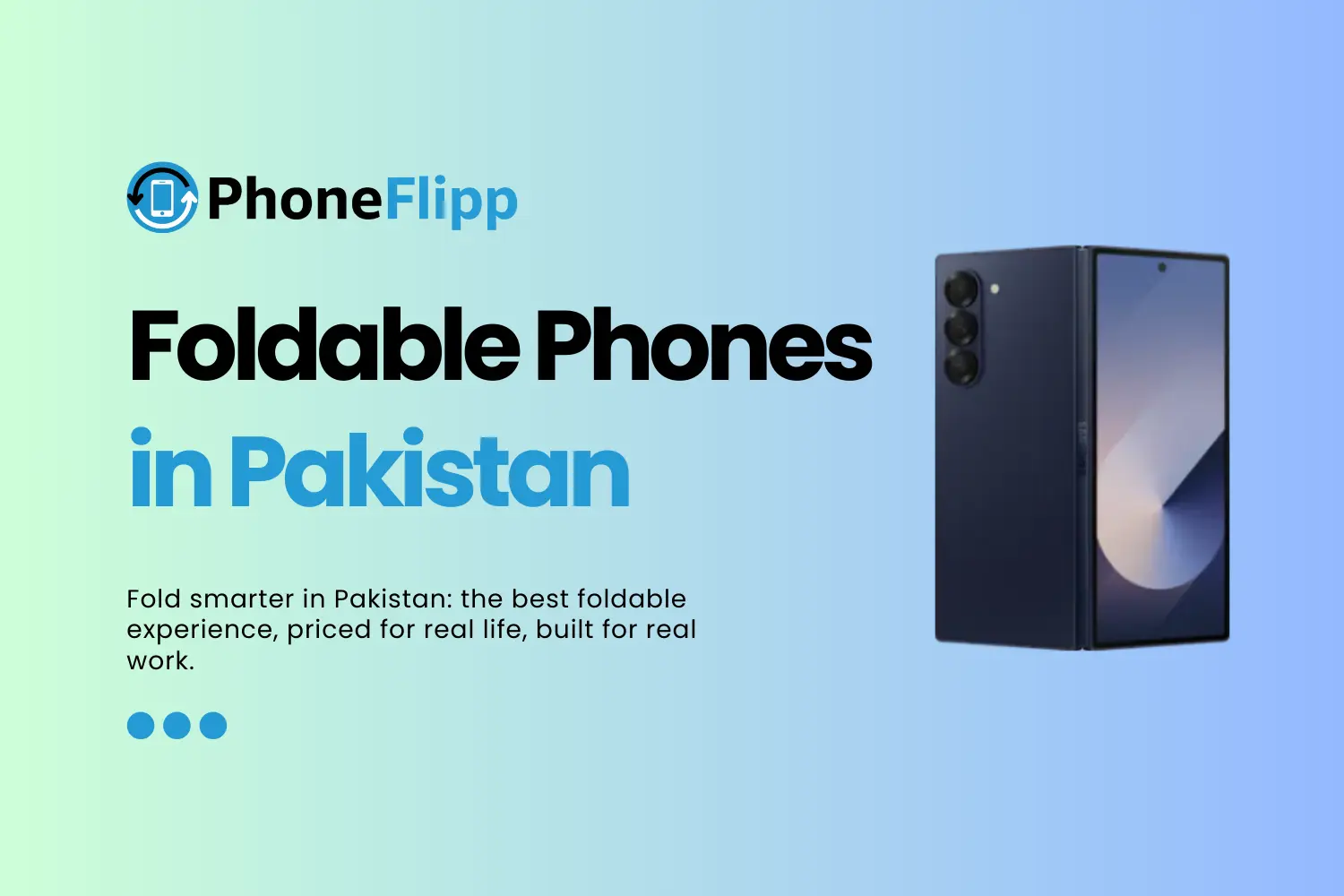
Foldables are no longer niche experiments; they now appear in best Android phones 2026 lists, with improved long-term software support.
- Samsung Galaxy Z Fold and Z Flip lines receive the same Samsung Galaxy long support policies as S‑series flagships, including multi‑year OS and security updates.
- Foldable‑optimized One UI features (taskbar, multi‑window, continuity between folded and unfolded modes) continue to evolve across updates.
- Some competing foldables from other brands may offer shorter support windows (3–4 OS updates), so verify update speed and policy before buying.
If you want a foldable that remains usable 5–7 years, Samsung’s foldable line with extended security patches is currently the safest bet among foldable and long-term software support phones.
Best budget Android phones 2026 with long-term support
Not everyone needs flagship Android picks. The best phones for long-term software support also include midrange and budget models that still push beyond basic 2‑year updates.
- Samsung Galaxy A‑series (like Galaxy A55) offers about 4 Android OS updates and 5 years of security patches, making them strong budget Android options for long-term software updates.
- Some midrange Pixels and other OEMs also offer 3–4 years OS and extended security, but policies vary, so always check official claims.
For cost‑conscious buyers, these future-proof phones provide better long-term investment than cheaper devices that stop receiving updates after 2 years.
Best smartphone software 2026: quality, AI, and stability
Evaluating best smartphone software 2026 means looking beyond version numbers to the overall smartphone software quality over time.
Update speed and ecosystem reliability
- Pixels generally lead in Android update speed and policy with day‑one Android releases and monthly security patches pushed directly by Google.
- Samsung follows with fast but slightly delayed updates, covering a wide range of devices and regions.
- Apple delivers same‑day iOS updates across all supported devices, with developers quick to support new iOS versions due to concentrated market share.
Ecosystem reliability encompasses how quickly apps adopt new features, how often bugs are fixed, and how long older phones stay compatible; iOS and high‑end Androids perform best here.
AI features in mobile OS
AI features in smartphone software are increasingly central to why long-term software updates matter.
- Google Pixels emphasize AI‑powered tools like call screening, photo unblur, context‑aware suggestions, and live translation that improve through updates.
- Samsung integrates AI into camera, gallery, and productivity, leveraging both device and cloud processing via One UI feature packs over the years.
- Apple adds AI‑enhanced photography, smart text and speech handling, and more context‑aware assistant behavior in iOS, with an eye on privacy.
Buying a phone with extended OS support means you will receive new AI features for years, rather than being stuck with whatever shipped at launch.
Performance stability over years
- Flagship chips paired with good thermal design and efficient software (Pixel, Galaxy S, recent iPhones) maintain performance stability over a long window, especially when OS updates are optimized.
- Midrange hardware can still age well if the vendor avoids heavy bloat and continues performance‑oriented optimizations in later OS versions.
- Poorly optimized updates can slow older devices, which is why software quality for long-term use is as important as the headline number of years.
How to read manufacturer update policies
To choose the best phones with long-term software support, you must decode how brands market their promises.
Key questions:
- How many OS version upgrades are guaranteed, and are they written in official policy, not just marketing slides?
- How long will security updates last after the last OS upgrade (security update longevity)?
- How frequent are updates (monthly vs quarterly), and do they arrive promptly in your region?
- Does the brand have a history of honoring, or even extending, its update policies?
Brands like Samsung, Google, Apple, and Fairphone have documented policies and a strong track record, making them safer picks for long-term software support phones. Lesser‑known brands might advertise ambitious numbers but deliver delayed or inconsistent patches.
Phones with 5–7+ years support: who stands out?
Here is a quick look at major categories of phones with 5–7+ years support (or close to it) that make the strongest candidates in 2026.
7‑year support noted (or equivalent)
- Google Pixel 8/9/10 series: 7 years OS and security updates, clean Android, fastest update speed.
- Samsung Galaxy S24/S25/S26 series: 7 years OS and security updates, wide availability, powerful hardware.
- iPhone 15/16/17 families: 5–6 iOS versions + security patches, practically 7+ years of support in real‑world usage.
5–6 years effective support
- Fairphone 5: 5 OS upgrades, up to 8 years of security, plus repairable hardware.
- Some midrange Samsung and other Android models with 4 OS / 5 security years.
These flagship long-term support phones and a few sustainable outliers are the best phones for long-term investment, providing future-proof phones you can confidently keep until 2031–2033.
Update speed and real-world experience
A long support window is only useful if updates actually arrive fast enough to protect you from emerging threats.
- Pixels: Updates arrive first, usually monthly and on schedule.
- iPhones: iOS updates are global and same‑day; security patches can roll out quickly when needed.
- Samsung: Large but organized rollout; high‑end models and recent releases tend to receive Android and One UI updates early.
- Other OEMs: Update speed is more variable and often slower, especially in budget segments.
If you rely on your phone for sensitive work or financial tasks, prioritize phones with a strong history of rapid, reliable updates, not just long promises on paper.
Privacy, security, and ecosystem reliability
Privacy and ecosystem reliability are major aspects of smartphone software quality that play out over years.
- iOS: Strong app sandboxing, app tracking controls, and close App Store review provide robust protection, though some limitations exist in app choice.
- Android (Pixel, Samsung): Improved per‑permission controls, regular Google Play system updates, and secure hardware modules offer high security, especially on models with fast patches.
- Fairphone and others: Focus on openness and sustainability may attract users who value control, custom ROMs, or ethical sourcing, with long security support as a bonus.
Over 5–7+ years, ecosystem reliability also means apps you need continue supporting your OS version; sticking to mainstream platforms like iOS, Pixel, and leading Galaxy models gives you the best chance.
How software support impacts total cost of ownership
It is easy to see a flagship’s price and assume it is not the best phone for long-term investment. But once you factor in long-term software updates, the math changes.
Consider two phones:
- Phone A: Cheaper upfront, 2 years OS, 3 years security.
- Phone B: More expensive, 7 years OS and security.
If you upgrade Phone A every 2–3 years, your total cost over 7–8 years may exceed buying Phone B once and using it for the entire period, even if you replace its battery once. Phones with long-term software support thus reduce cost per year, not to mention time saved on migration, configuration, and learning new UIs.
Practical tips when choosing long-term software support phones
To pick the best smartphones for software updates and future-proofing devices:
- Check official policies
Look for clearly stated years of OS updates and years of security updates. Prioritize phones with at least 5 years total, ideally 7. - Favor top tiers
Best Android phones 2026 (Pixel 10 Pro, Samsung Galaxy S25 Ultra) and latest iPhones get the strongest commitments and fastest updates. - Consider your replacement cycle
- Look at software track record
Research the brand’s history of honoring update schedules, not just promises. Samsung, Google, Apple, and Fairphone score well. - Evaluate ecosystem fit
Consider whether Android vs iOS software support, app availability, accessories, and services match your needs for the long term.
Example: which phone should you buy in 2026?
If your main priority is long-term software support and you want one of the best smartphones overall:
- Pick Google Pixel 10 Pro if you want the cleanest Android, fastest updates, and cutting‑edge AI features in smartphone software.
- Pick Samsung Galaxy S25 Ultra if you want maximum hardware power, S‑Pen‑style features, and Samsung Galaxy long support with 7‑year coverage.
- Pick an iPhone 17 if you prefer iOS, strong ecosystem integration, and very long but less explicitly advertised iOS update cycles.
- Pick Fairphone 5 if sustainability and repairability matter most and you’re willing to accept midrange performance in exchange for extreme security updates longevity.
- Pick a Samsung Galaxy A‑series or similar midrange option if you want budget Android options with respectable 4–5 year support.
All of these are best phones with long-term software support in 2026, differing mainly in ecosystem, hardware priorities, and how far beyond 5–7+ years you want to stretch your device.
By focusing on long-term software updates, security update longevity, and software quality for long-term use, you can choose future-proof phones that stay secure, fast, and capable well into the 2030s instead of becoming obsolete after just a couple of years.
Conclusion:
Bringing everything together, the 2026 landscape clearly favors phones that treat long-term software support as a core feature, not an afterthought. Devices like the Google Pixel 10 Pro, Samsung Galaxy S25 Ultra, current iPhone flagships, OnePlus 12, and Fairphone 5 show that 5–7+ years of OS upgrades and extended security patches are now realistic expectations rather than rare exceptions. This shift makes it easier than ever to focus on future-proof phones that remain secure, fast, and feature-rich well into the next decade, instead of falling behind after only a couple of update cycles.
Whether you lean toward Android or iOS, foldable or classic slab, premium or budget, the best phones with long-term software support in 2026 are the ones whose update policies, ecosystem reliability, and software quality match how long you truly plan to keep your device—turning your next smartphone into a long-term investment, not a short-lived gadget.