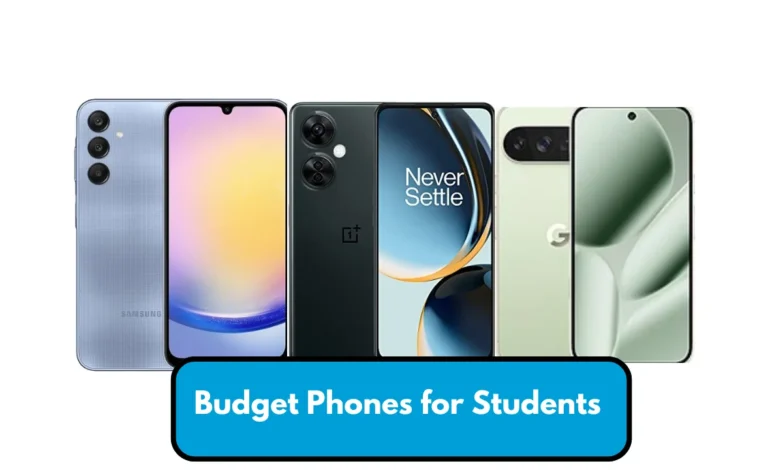
Budget Phones for Students 2025: What to Pick & Why

Choosing the right smartphone for students in 2025 isn’t just about picking the cheapest option. Students now need devices that can handle online classes, note-taking apps, video calls, assignments, entertainment, and light gaming all without breaking the bank. Fortunately, budget smartphones today offer powerful processors, long-lasting batteries, 5G connectivity, and decent cameras at affordable prices. This guide dives deep into the best budget phones for students, comparing options under $200, $300, and $400, and explains exactly why each phone is worth picking.
Why Budget Phones Matter for Students in 2025
Students face unique challenges: long school or college days, digital learning, and multitasking across apps. While flagship smartphones are powerful, they are often too expensive for student budgets. Thankfully, budget phones in 2025 now deliver reliable performance, strong battery life, and smooth displays that can keep up with academic and social demands. They’re ideal for online classes, content creation for projects, and managing apps like Google Classroom or Zoom. Students can now enjoy premium features like 5G and fast charging without overspending. Choosing a modern budget device ensures students can stay productive and connected, without the stress of high costs.
What Students Really Need in a Budget Phone
Not every phone is built for student life. The ideal student smartphone should combine performance, battery, display, camera, and durability. Students need phones capable of handling multitasking across apps, streaming lectures, and note-taking without lag. Battery life is critical for long school days, while storage must accommodate apps, documents, and media. A decent camera is also important for scanning notes, recording lectures, or creating content for assignments. Durability and software support make the device last longer, reducing the need for early replacements. This section explains how to prioritize the essential features rather than unnecessary gimmicks.
How to Choose the Right Budget Phone for Your Needs
Buying a phone doesn’t have to be overwhelming. This section guides students through evaluating specifications, comparing cameras, checking battery capacity, and reviewing software support. It explains how to balance price with essential features, ensuring you pick a phone that lasts the entire academic year and beyond. From RAM and storage to display and chipset, students get a clear roadmap for making a smart, informed choice without regret.
Top Features Students Should Prioritize
1. Long Battery Life
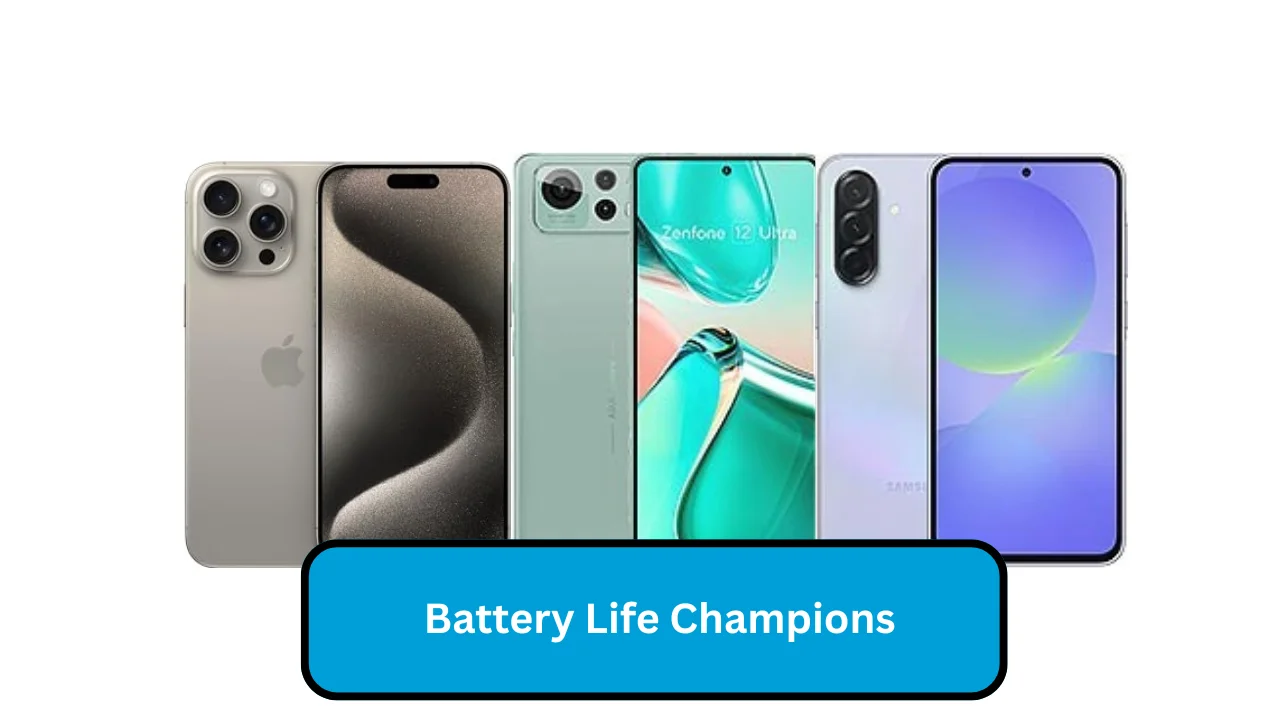
Battery life is the number one priority. Students can’t risk their phones dying during online classes or commuting. Phones with at least 5,000mAh batteries and fast-charging capabilities are ideal. Devices like the Moto G Power 2025 can last up to two full days with moderate use, making them perfect for busy schedules.
2. Smooth Performance
Students run multiple apps simultaneously, from Zoom to Google Docs. Smooth performance is crucial, with a minimum of 6GB RAM and mid-range processors like Snapdragon 6 or 7 Gen series, or MediaTek Dimensity 700–800. A responsive device prevents lag and frustration during multitasking.
3. High-Quality Display
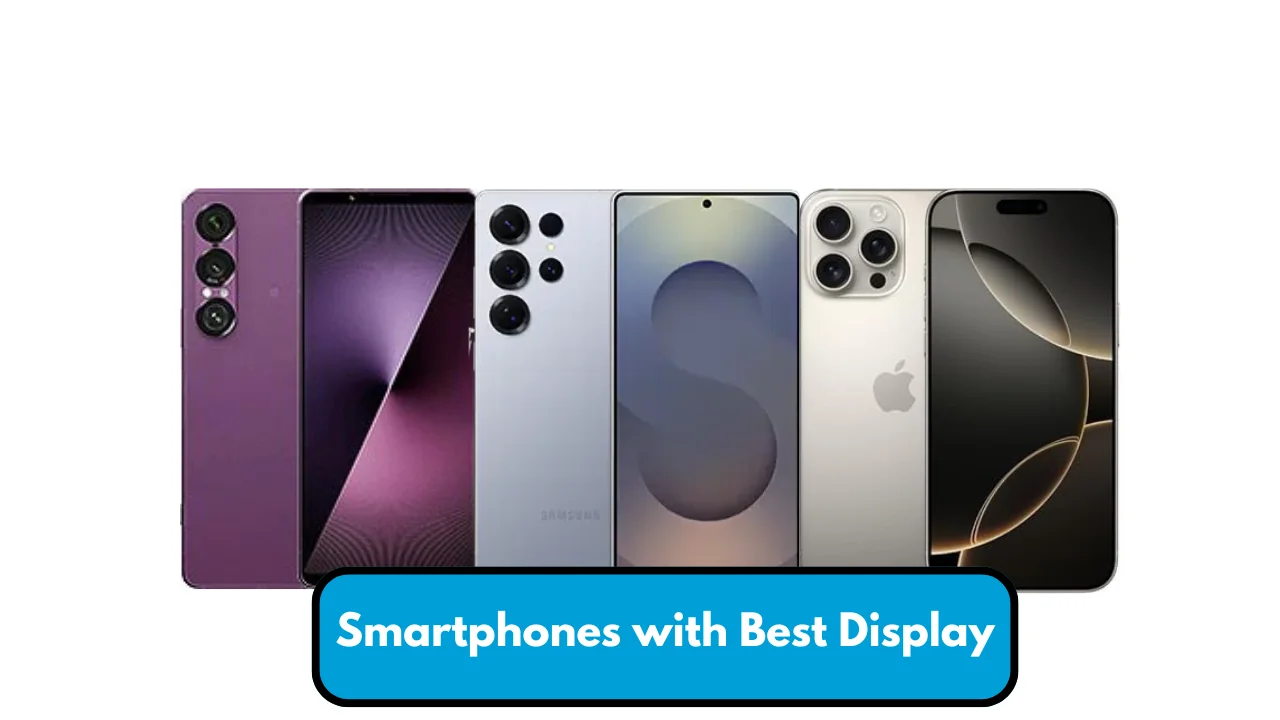
Long hours of reading PDFs or attending online classes require a clear, bright display. AMOLED or FHD+ displays with a 90Hz or 120Hz refresh rate reduce eye strain and improve viewing comfort. Large screens also help students multitask efficiently.
4. Camera for Academics
Camera quality matters beyond selfies. Students often need to scan documents, record lectures, and submit visual projects. Phones with 48MP+ cameras and AI processing features ensure clarity even in low light.
5. Storage & Expandability
Modern apps, videos, and documents require at least 128GB storage or a microSD option. Efficient storage ensures students can store files without worrying about slow performance.
6. Durability and Updates
Budget phones in 2025 are built to last. Students should choose devices with Gorilla Glass, water resistance, and long-term software updates. This ensures reliability for at least 2–3 years, avoiding unnecessary replacements.
Top Budget Phones Brands Dominating 2025
Several brands dominate the student-friendly budget smartphone market in 2025:
- Samsung: Offers strong battery life, AMOLED displays, and 4 years of software updates. Galaxy A-series is perfect for reliable everyday use.
- Google: Pixel phones excel in camera quality and software support. Pixel 7a offers years of updates and AI-enhanced features.
- Xiaomi/Redmi: Known for high specs at low prices, with powerful processors and 108MP cameras in some models.
- Motorola: Clean software, durable design, and long-lasting batteries make Moto G Power ideal for students on a budget.
- OnePlus: Smooth performance and fast UI, excellent for multitasking and online classes.
These brands have raised the standard for affordable phones, providing features that were previously exclusive to flagship devices.
Best Budget Phones for Students in 2025 (Detailed Picks)
1. Samsung Galaxy A25 5G
Price: ~$239
Why it’s ideal: Balanced performance, strong battery, and a bright AMOLED display. Perfect for online classes and multitasking.
Specs:
- 6.5” Super AMOLED, 120Hz
- Exynos 1280 chipset
- 6–8GB RAM
- 5,000mAh battery, 25W fast charging
- 50MP main camera
Pros: Long battery life, smooth performance, OIS camera for document scanning.
Cons: Average low-light camera performance.
2. Google Pixel 7a
Price: ~$349
Why it’s ideal: Best-in-class camera, AI features, and clean software. Perfect for content creation and academic photography.
Specs:
- 6.1” OLED display
- Google Tensor G2
- 8GB RAM
- 4,385mAh battery
- 64MP main camera
Pros: Computational photography, long-term software support, lightweight design.
Cons: Smaller battery than competitors.
3. OnePlus Nord N30 5G
Price: ~$259
Why it’s ideal: Smooth UI, strong multitasking, and solid performance for online classes and media streaming.
Specs:
- Snapdragon 695 chipset
- 8GB RAM
- 6.7” FHD+, 120Hz display
- 5,000mAh battery
- 50MP camera
Pros: Smooth interface, excellent for multitasking.
Cons: Camera quality is decent but not best-in-class.
4. Motorola Moto G Power 2025
Price: ~$199
Why it’s ideal: Exceptional battery life, reliable performance, clean software. Perfect for students on a strict budget.
Specs:
- Snapdragon 6 Gen
- 5,000mAh battery (2–3 days)
- 6.5” IPS, 90Hz display
- 50MP camera
Pros: Long battery life, affordable, durable.
Cons: Display is not as vibrant as AMOLED.
5. Xiaomi Redmi Note 13 5G
Price: ~$229
Why it’s ideal: Best value for money, large AMOLED display, and high-resolution camera.
Specs:
- 6.67” AMOLED, 120Hz
- Dimensity 6080 chipset
- 8GB RAM
- 5,000mAh battery + 33W charging
- 108MP camera
Pros: Best specs for the price, strong battery, smooth display.
Cons: MIUI may have bloatware.
Best Phones Under Specific Budgets
- Under $200: Motorola Moto G Power, Samsung Galaxy A15, Xiaomi Redmi 13C, Realme C55
- Under $300: Samsung Galaxy A25, OnePlus Nord N30, Poco X6 5G, Redmi Note 13 5G
- Under $400: Google Pixel 7a, Samsung Galaxy A35, Poco X6 Pro, Nothing Phone 2a+
This breakdown helps students pick phones based on budget and academic needs.
Feature Comparison Table (At a Glance)
| Category | Phone | Strength |
|---|---|---|
| Best All-Rounder | Samsung A25 | Balanced, reliable, smooth |
| Best Camera | Google Pixel 7a | AI-enhanced photography |
| Best Battery Life | Moto G Power | 2–3 day battery |
| Best Multitasking | OnePlus Nord N30 | Fast & smooth UI |
| Best Value | Redmi Note 13 5G | Top specs at low price |
Why Budget Phones Outperform Flagships for Students
Flagship phones are often overkill for students. In 2025, budget devices offer:
- 5G connectivity
- Large batteries
- High refresh rate displays
- Powerful processors
Students can save money for laptops, textbooks, and other essentials, while still enjoying premium features.
Long Battery Life is Non-Negotiable
A reliable battery is essential for students attending classes all day, commuting, or studying online. Phones with 5,000mAh or higher batteries and fast charging are ideal. Moto G Power and Redmi Note 13 5G excel here, often lasting 2+ days with moderate use.
Software Support Matters
Longevity and security are critical. Google Pixel phones offer 5 years of updates, Samsung A-series 4 years, and OnePlus devices 3+ years. Budget phones with long-term updates prevent early replacements and data loss.
Camera Quality: More Than Just Selfies
Students need cameras for scanning assignments, recording lectures, and online projects. Pixel 7a leads the pack, but Samsung A25 and Redmi Note 13 also provide strong performance. AI enhancements make budget cameras more capable than ever.
How Students Use Phones for Studying
- Online Classes – Zoom, Teams, Google Classroom
- Note-Taking – PDFs, Google Docs, eBooks
- Research & Browsing – Smooth multitasking with RAM & chipsets
- Group Projects – Collaboration tools, messaging apps
- Content Creation – Video & photo assignments
OS Selection: Android vs iOS for Students
Android Pros
- cheaper phones
- more customization
- microSD support
- large variety of choices
iOS Pros
- great longevity
- stable ecosystem
- perfect for iPad + Mac users
However, budget iPhones are rare, so students mostly choose Android. Budget Android phones dominate the student market due to affordability and variety.
Final Verdict: What Should Students Buy?
After all the research, recommendations, and comparisons, this section delivers a clear verdict. Which phones are perfect for high school students versus college-goers? Which budget devices excel in battery life, multitasking, or camera quality? The conclusion emphasizes value-for-money, durability, and long-term usability. Students leave with confidence, knowing they can choose an affordable phone that supports their studies, social life, and productivity without overspending.