iPhone 16 Pro vs Samsung Galaxy S25: Full Specs & Camera Comparison

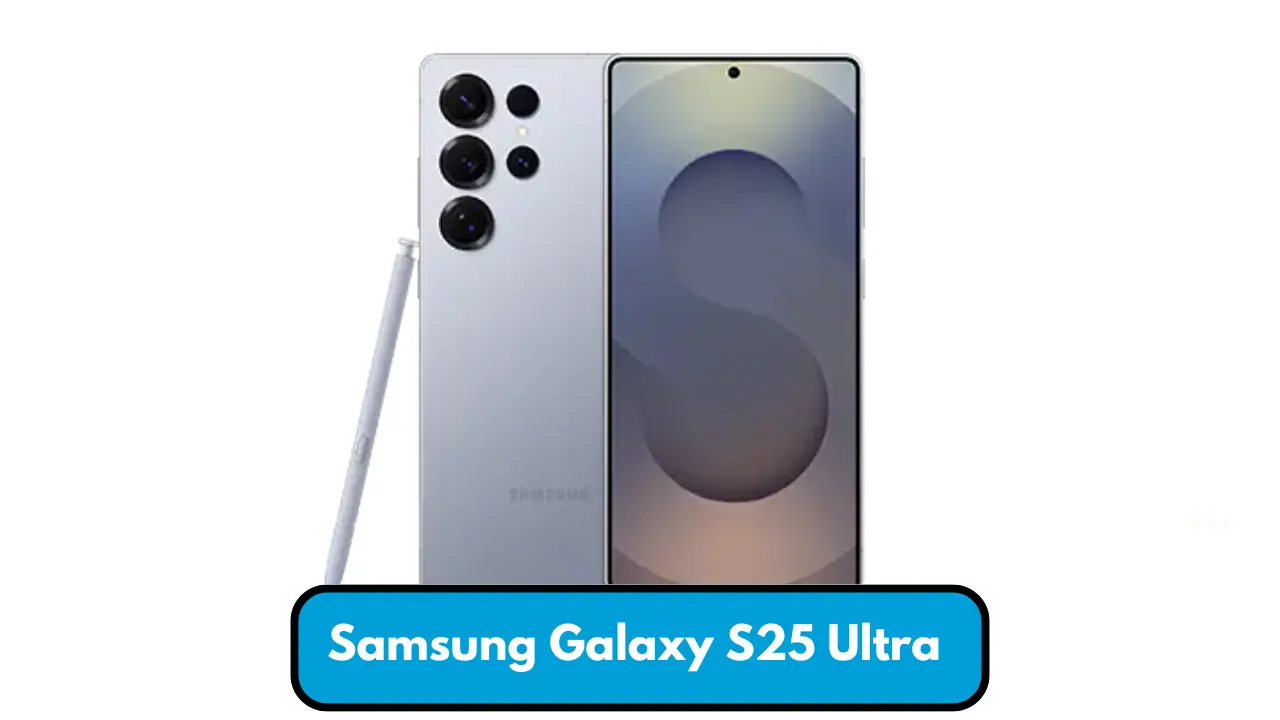
The Samsung Galaxy S25 and Apple iPhone 16 Pro are two of the most compelling compact flagships in 2025–26, but they take very different routes to performance, camera quality, and ecosystem value. This deep Galaxy S25 vs iPhone 16 Pro comparison breaks down full specs, camera performance, software, and long‑term value so you can pick the compact flagship design that fits you best.
At‑a‑glance: Galaxy S25 vs iPhone 16 Pro specs
The table below captures the core Galaxy S25 specs and iPhone 16 Pro specs across design, display, performance, battery, cameras, and connectivity.
| Category | Samsung Galaxy S25 | Apple iPhone 16 Pro |
|---|---|---|
| Dimensions and weight | 146.9 × 70.5 × 7.2 mm, 162 g | 149.6 × 71.5 × 8.25 mm, 199 g |
| Compact flagship design | Smaller footprint, lighter, easier one‑handed use | Slightly taller and thicker, noticeably heavier but more substantial feel |
| Build materials (aluminum vs titanium) | Armor aluminum frame, Gorilla Glass Victus 2 front and back | Titanium frame, Ceramic Shield front, textured glass back |
| Display technologies | 6.2‑inch FHD+ Dynamic AMOLED 2X, 120 Hz | 6.3‑inch Super Retina XDR OLED, ProMotion 120 Hz |
| Display quality (brightness, resolution, refresh rate) | 2340 × 1080, ~416 ppi, up to ~1400 nits peak, 120 Hz | 2622 × 1206, 460 ppi, 2000 nits outdoor, 1600 nits HDR, ProMotion 1–120 Hz |
| Chip | Qualcomm Snapdragon 8 Elite for Galaxy (3 nm) | Apple A18 Pro (3 nm) |
| Performance benchmarks (CPU and GPU scores) | ~10,050 multi‑core, 6755 single; GPU ~38% ahead in 3DMark WL Extreme vs 16 Pro | ~8283 multi‑core, 4898 single; GPU behind Snapdragon 8 Elite this year |
| RAM and storage differences | 12 GB RAM; 128/256/512 GB UFS storage | 8 GB RAM; 128/256/512 GB/1 TB NVMe storage, faster throughput |
| Battery capacity (mAh) | 4000 mAh | ~3582 mAh equivalent (Apple does not quote mAh but teardown/estimates converge here) |
| Battery life comparison | Slightly weaker overall “active use” but better calls and gaming; trails in web/social and streaming | Longer web/social and streaming endurance, marginal overall edge in battery life |
| Charging speed and results | 25 W wired, 15 W Qi wireless; ~77 min full charge | Up to 30 W wired, 25 W MagSafe; ~98 min full charge |
| Camera hardware comparison | Rear: 50 MP wide + 12 MP ultrawide + 10 MP 3x telephoto, 12 MP AF selfie | Rear: 48 MP wide + 48 MP ultrawide + 12 MP 5x tetraprism telephoto, 12 MP AF TrueDepth front |
| Optical zoom | 0.6x, 1x, 2x (crop), 3x optical, up to 30x digital | 0.6x, 1x, 2x (48 MP crop), 5x optical, up to 25x digital |
| Operating systems (Android vs iOS) | Android with One UI 7, Galaxy AI, 7 years of updates | iOS 18 with Apple Intelligence AI and Apple ecosystem integration |
| Biometrics (Face ID, fingerprint) | Ultrasonic in‑display fingerprint + camera face unlock | Face ID only via TrueDepth camera |
| Connectivity & feature sets | Wi‑Fi 7, Bluetooth 5.4, NFC, USB‑C, no UWB on base S25 | Wi‑Fi 7, Bluetooth 5.3, NFC, USB‑C, second‑gen UWB, satellite SOS & messaging |
| Speakers and audio quality | Stereo speakers, louder but brighter tuning | Stereo speakers, warmer tuning and fuller sound |
| Price and value | ~$800/€800 for 128 GB at launch tier | ~$999/€1000+ for 128 GB, closer to S25+ pricing |
Design, dimensions, and build quality
Dimensions and weight
If you care about true compact flagship design, the Galaxy S25 feels markedly smaller and lighter in daily use. Its 146.9 × 70.5 × 7.2 mm chassis and 162 g weight make it easier to reach corners one‑handed and more comfortable for long sessions of browsing or gaming.
The Apple iPhone 16 Pro is only slightly taller and wider at 149.6 × 71.5 × 8.25 mm, but the 199 g weight difference is immediately noticeable. The extra 30+ grams give it a more substantial feel, yet it can fatigue smaller hands faster or feel top‑heavy without a case.
Build materials (aluminum vs titanium)
Samsung sticks with armor aluminum and Gorilla Glass Victus 2 on the Samsung Galaxy S25, delivering a robust but more traditional glass‑sandwich build. It looks and feels premium, but the frame can pick up micro‑scratches more readily than titanium over time.
The Apple iPhone 16 Pro pushes into more exotic build territory with a titanium frame, Ceramic Shield front, and textured matte glass back. Titanium improves scratch resistance and gives a cooler, more industrial hand‑feel, while Ceramic Shield remains one of the most drop‑resistant front glass solutions on any phone.
Compact flagship design and durability
Both phones are IP68‑rated, but Apple certifies the iPhone 16 Pro for submersion up to 6 m for 30 minutes, whereas Samsung’s Galaxy S25 targets the more common 1.5 m figure. In practice, both survive rain, splashes, and brief submersion, but the iPhone’s higher rating offers a little more peace of mind near water.
If your priority is the lightest compact flagship design, the Galaxy S25 clearly wins; if you want a more durable frame and slightly tougher front glass, the iPhone 16 Pro has the edge.
Display: quality, technologies, and usability
Display technologies (ProMotion, OLED, Dynamic AMOLED)
The Galaxy S25 uses a 6.2‑inch Dynamic AMOLED 2X panel with FHD+ 2340 × 1080 resolution and up to 120 Hz refresh rate. Dynamic AMOLED 2X supports high contrast, deep blacks, and smooth animations, while staying relatively power efficient at 120 Hz.
The Apple iPhone 16 Pro features a 6.3‑inch Super Retina XDR OLED display with 2622 × 1206 resolution, 460 ppi, and ProMotion adaptive refresh up to 120 Hz. ProMotion can dynamically drop refresh rate to conserve power and ramp to 120 Hz for scrolling and gaming, contributing to both smoothness and endurance.
Display quality (brightness, resolution, refresh rate)
On paper, both deliver flagship‑class display quality, but the iPhone 16 Pro pulls ahead in brightness and HDR capabilities. Apple rates typical brightness at 1000 nits, 1600 nits peak HDR, and 2000 nits outdoors, which in testing translates to mid‑1700 nits peaks in auto mode.
By contrast, the Galaxy S25 peaks around 2600 nits in short bursts but sits closer to ~1400 nits in typical auto brightness scenarios, still very usable but slightly less punchy in direct sun compared to the iPhone. Resolution differences are subtle at these sizes, but the 16 Pro’s higher pixel density can make fine text and UI elements look a touch sharper side‑by‑side.
Everyday display experience
Samsung’s punch‑hole front camera minimally interrupts content, while Apple’s Dynamic Island cutout occupies more status‑bar area but doubles as an interactive UI element for alerts, timers, and live activities. If you hate large cutouts, you may prefer the Galaxy S25; if you appreciate clever software around the notch, the iPhone 16 Pro offers more functional use of this space.
Both displays support high refresh gaming, vivid color modes, and advanced eye‑comfort features, but the brighter outdoor visibility and Dolby Vision support of the iPhone 16 Pro make it better for HDR movie watching on the go.
Performance: Snapdragon 8 Elite vs Apple A18 Pro
CPU and GPU architecture
The Samsung Galaxy S25 ships with Qualcomm Snapdragon 8 Elite for Galaxy, a 3 nm SoC with slightly higher CPU and GPU clocks than standard 8 Elite chips. This configuration targets both raw performance and sustained gaming throughput, and it benefits from Qualcomm’s strong focus on AI acceleration and graphics this generation.
The Apple iPhone 16 Pro uses the Apple A18 Pro, a 3 nm in‑house chip with a 6‑core CPU, 6‑core GPU, and 16‑core Neural Engine. Historically, Apple’s chips have dominated synthetic benchmarks, but 2024–25 is the first cycle where Qualcomm overtakes Apple in several multi‑core and GPU tests.
Performance benchmarks (CPU and GPU scores)
In standardized benchmark comparisons, the Galaxy S25 scores around 10,050 in multi‑core and 6755 in single‑core tests, whereas the iPhone 16 Pro lands near 8283 multi‑core and 4898 single‑core. That translates to roughly a 21% multi‑core lead for Snapdragon 8 Elite in the Galaxy S25 over the A18 Pro in the iPhone 16 Pro.
On the GPU side, using 3DMark Wild Life Extreme as a reference, the Galaxy S25 posts about a 38% performance advantage over the iPhone 16 Pro, which is significant for high‑refresh 3D gaming. In real games, that means more stable 120 Hz targets or higher graphical settings on Samsung for demanding titles.
RAM and storage differences
Samsung pairs the Galaxy S25 with 12 GB of RAM across all storage variants (128, 256, 512 GB), giving Android and One UI ample headroom for multitasking, background apps, and Galaxy AI features. However, the 128 GB model may use slower UFS storage, reserving full UFS 4.0 speeds for 256 GB and above.
Apple sticks to 8 GB RAM on all iPhone 16 Pro models but backs it with very fast NVMe storage in 128/256/512 GB and 1 TB tiers. The combination of aggressive iOS memory management and high storage throughput keeps the phone fluid, but heavy multitaskers and mobile creators might notice fewer apps staying alive in the background compared to the S25’s 12 GB.
Real‑world performance
For everyday tasks—social media, messaging, browsing, and light photo editing—both phones feel instantaneous. Power users and gamers, however, will appreciate the Galaxy S25’s higher multi‑core and GPU scores in emulators, AAA mobile games, and intensive AI features, especially given One UI’s growing Galaxy AI suite.
On the flip side, creators tied into the Apple ecosystem will still benefit from tight integration between Apple A18 Pro, Final Cut on iPad/Mac, AirDrop, and Apple Intelligence features spanning iPhone, iPad, and Mac.
Battery life and charging
Battery capacity (mAh) and endurance
The Galaxy S25 packs a 4000 mAh battery, while the iPhone 16 Pro uses a slightly smaller cell around 3582 mAh. Despite the smaller capacity, Apple’s control over hardware and iOS allows the 16 Pro to edge out the S25 in overall battery life, particularly in web browsing and social media scrolling.
GSMArena’s “Active Use Score” shows marginally better overall endurance for the iPhone 16 Pro, with the Galaxy S25 leading in call time and gaming, but falling behind “by a landslide” in web/social and slightly trailing in video streaming. This is exactly where most users spend their screen‑on time, giving the iPhone 16 Pro a practical advantage.
Charging speed and results
On paper, the Samsung Galaxy S25 supports 25 W wired charging and 15 W Qi wireless charging. In testing, it charges from 0 to 100% in about 77 minutes, which is okay but not competitive with faster‑charging Chinese flagships.
The iPhone 16 Pro supports up to 30 W wired charging, 25 W via MagSafe, and 15 W via Qi2. Despite the higher theoretical wattage, full charging takes around 98 minutes, with the iPhone slightly ahead at 15‑ and 30‑minute checkpoints but losing the full‑cycle race to the Galaxy S25 by roughly 21 minutes.
If you care about the fastest full recharge from empty, the Galaxy S25 wins; if you usually top up in short bursts and rarely deep‑drain the phone, the difference becomes less noticeable.
Camera hardware and image quality
Camera hardware comparison (MP, sensors, optical zoom)
Samsung Galaxy S25 rear setup:
- 50 MP main wide camera with OIS
- 12 MP ultrawide camera
- 10 MP telephoto with 3x optical zoom, OIS
- 12 MP front camera with autofocus
Apple iPhone 16 Pro rear setup:
- 48 MP Fusion main wide camera with second‑gen sensor‑shift OIS
- 48 MP ultrawide camera with 120° field of view
- 12 MP 5x tetraprism telephoto with 3D sensor‑shift OIS
- 12 MP TrueDepth front camera with autofocus and Face ID integration
On raw specs, the Apple iPhone 16 Pro has the more ambitious camera hardware, especially with its 5x telephoto, 48 MP ultrawide, and advanced stabilization systems. The Galaxy S25 plays it safer with a proven 50 MP main sensor and 3x telephoto, emphasizing versatility and speed rather than sheer reach.
Daylight image and video quality
In bright conditions, both phones capture detailed, vibrant photos, but analysis consistently finds the iPhone 16 Pro producing sharper stills with slightly wider dynamic range and more consistent color between lenses. Even before enabling the 24 MP default resolution mode, the 16 Pro pulls ahead in fine detail and highlight control.
The Galaxy S25’s 5x digital crop is surprisingly competitive, coming close to the dedicated 5x optics of the iPhone in good light, thanks to its high‑resolution main sensor and Samsung’s processing. Video is where the iPhone 16 Pro traditionally excels, and that continues here: daytime and nighttime videos show better stabilization, color accuracy, and dynamic range across most focal lengths except the ultrawide and 3x zoom, where the Galaxy has advantages.
Night and low‑light performance
In low light, the story becomes more complex:
- Main camera: Both phones are strong, but the Galaxy S25 often produces brighter exposures with slightly more visible detail, which some users prefer for social‑media‑ready shots straight out of camera.
- 2x zoom: The iPhone 16 Pro’s 2x mode, derived from its 48 MP main sensor, delivers noticeably cleaner and sharper results at night.
- 3x zoom: Samsung’s dedicated 3x telephoto gives it a clear advantage at that focal length; images look crisper and less noisy.
- 5x zoom: Apple’s 5x tetraprism telephoto produces better quality at true 5x versus the Galaxy S25’s digitally boosted 5x.
- Ultrawide: The Galaxy S25’s ultrawide camera tends to offer brighter low‑light exposures and better dynamic range, making it more usable in dark scenes.
Image and video quality verdict
If your priority is the most balanced camera system with strong zoom options and industry‑leading video, the Apple iPhone 16 Pro stands out as the more potent camera phone overall. However, the Galaxy S25 holds its own, especially in bright 3x shots, night ultrawide scenes, and users who like punchy, brighter night images without editing.
Software, AI features, and biometrics
Operating systems (Android vs iOS)
The Samsung Galaxy S25 ships with Android and One UI 7, bringing Samsung’s polished skin, extensive customization, Samsung Knox security, and deep integration with Galaxy Buds, watches, and Galaxy PCs. Samsung also commits to seven years of OS and security updates for the S25 series, aligning it with the longest support in the Android world.
The Apple iPhone 16 Pro runs iOS 18, featuring a refined interface, strong privacy defaults, and deep integration with Apple Watch, iPad, Mac, and services like iCloud, iMessage, and FaceTime. iOS 18 also introduces Apple Intelligence, Apple’s on‑device and private‑cloud AI layer that enhances writing, summarization, image generation, and Siri’s capabilities.
AI features and software support
Galaxy S25:
- Galaxy AI features in camera (Best Take, AI zoom refinements, scene optimization)
- AI‑powered translation, transcription, and call assistance
- Generative editing for photos and potentially AI wallpapers and notes summarization
- Seven years of software updates, ensuring Galaxy AI features evolve over the phone’s life
iPhone 16 Pro:
- Apple Intelligence enhances system‑wide writing tools, email and message suggestions, notification prioritization, and image tools
- A more natural, context‑aware Siri built on Apple Intelligence (rolling out with iOS 18.x)
- Strong privacy posture: on‑device models and private cloud compute with minimal data retention
At launch and in early 2025, Samsung’s Galaxy AI features are more widely available globally, while Apple Intelligence rolls out in stages and may reach some regions later. If you want AI camera and productivity features “right now,” Galaxy S25 has a head start; if you prioritize private, tightly integrated AI across devices, Apple Intelligence on the iPhone 16 Pro will be more attractive long‑term.
Biometrics (Face ID, fingerprint)
Biometric authentication is another major differentiator:
- Samsung Galaxy S25: Ultrasonic in‑display fingerprint reader plus conventional camera face unlock.
- Apple iPhone 16 Pro: Face ID only, using the TrueDepth camera for secure 3D facial recognition.
Face ID is extremely convenient in most scenarios, but an under‑display fingerprint sensor on the Galaxy S25 remains useful when wearing masks, in very low light, or if you prefer discrete unlocking without raising the phone. Preference here is largely personal: Face ID is more seamless, while a fingerprint scanner offers more flexibility.
Ecosystem, connectivity, audio, and special features
Ecosystem differences
Choosing between Samsung Galaxy S25 and Apple iPhone 16 Pro is as much an ecosystem decision as a hardware one.
Samsung / Android ecosystem:
- Strong integration with Galaxy Watch, Galaxy Buds, Galaxy Book laptops, and SmartThings smart‑home devices
- Better support for file systems and sideloading, customizable launchers, and multi‑window multitasking
- Broad accessory and app ecosystem across Android
Apple ecosystem:
- Seamless continuity across iPhone, iPad, Mac, and Apple Watch (Handoff, AirDrop, Universal Clipboard, iMessage, FaceTime, Continuity Camera)
- Deep integration of Apple Intelligence and iCloud across devices
- Often earlier access to high‑quality creative and productivity apps optimized for iOS
If you already own a MacBook, Apple Watch, or iPad, the iPhone 16 Pro offers far more ecosystem value; if you use Windows PCs, Wear OS or Galaxy watches, or a variety of platforms, the Galaxy S25 may blend in more naturally.
Connectivity and feature sets (UWB, satellite messaging)
Both phones support 5G (including sub‑6 GHz with broad band coverage), Wi‑Fi 7, NFC, and USB‑C connectivity. However, Apple goes further with some niche but powerful features:
- Second‑generation Ultra Wideband (UWB) chip for precise device and accessory tracking and spatial awareness.
- Emergency SOS, Messages, and Roadside Assistance via satellite, allowing basic communication even without cellular coverage in supported regions.
- Thread support for future‑proof smart‑home mesh networking.
The Galaxy S25 lacks UWB in its base model and does not offer satellite messaging, though Samsung has focused on broadly available AI features and long update support instead.
Speakers and audio quality
Both phones use stereo speaker setups, but they tune sound differently. Measurements show the Galaxy S25 getting slightly louder, which helps in noisy environments, but its profile is brighter, with less bass body.
The iPhone 16 Pro’s speakers are tuned warmer, with more expressive bass and a fuller soundstage, making it better for music, videos, and casual gaming audio without headphones. For wired audio, both use USB‑C and rely on adapters or USB‑C headphones.
Price, value, and which should you buy?
Price and value
Pricing always shifts over time and across markets, but launch‑level comparisons and current street prices paint a clear value picture.
- Samsung Galaxy S25 (128 GB, 12 GB RAM) typically launches around $799/€800, undercutting the iPhone 16 Pro by about $200/€200.
- Apple iPhone 16 Pro (128 GB, 8 GB RAM) sits at roughly $999/€1000, comparable to the Galaxy S25+ rather than the base S25.
Given the lower price, higher RAM, more powerful Snapdragon 8 Elite GPU, and long software support, the Galaxy S25 is a very strong value in the “compact flagship” tier. The iPhone 16 Pro asks more but repays it with a more premium titanium build, brighter display, superior camera system overall, better speakers, UWB, satellite messaging, and Apple ecosystem hooks.
Practical recommendations by user type
To make the Galaxy S25 vs iPhone 16 Pro comparison more actionable, consider these profiles.
Choose the Samsung Galaxy S25 if you:
- Want the lightest, most compact flagship design with excellent one‑hand usability.
- Prioritize a more powerful GPU and multi‑core performance for gaming and heavy multitasking.
- Prefer Android customization, an ultrasonic fingerprint reader, and readily available Galaxy AI features.
- Need strong camera performance with a very capable 3x telephoto and better low‑light ultrawide, but do not require class‑leading video.
- Want flagship performance and long software support at a lower price.
Choose the Apple iPhone 16 Pro if you:
- Value titanium build quality, brighter ProMotion OLED, and Dolby Vision HDR for video.
- Care most about image and video quality, especially 2x and 5x telephoto shots and consistently excellent video.
- Rely on Apple’s ecosystem (Mac, iPad, Apple Watch) and want Apple Intelligence features on top of iOS 18.
- Prefer Face ID, UWB for precise tracking, and satellite messaging for extra peace of mind.
- Are willing to pay a higher price for a more premium compact flagship with better speakers and longer perceived longevity in camera and display quality.
In short, the Samsung Galaxy S25 is the performance‑and‑value king of compact Android flagships, while the Apple iPhone 16 Pro is the more premium, camera‑ and ecosystem‑driven choice in the Apple iPhone 16 series. Your decision should come down to which operating system you prefer, how much you care about long‑range camera and video quality, and whether you’ll actually use features like UWB and satellite messaging day‑to‑day.