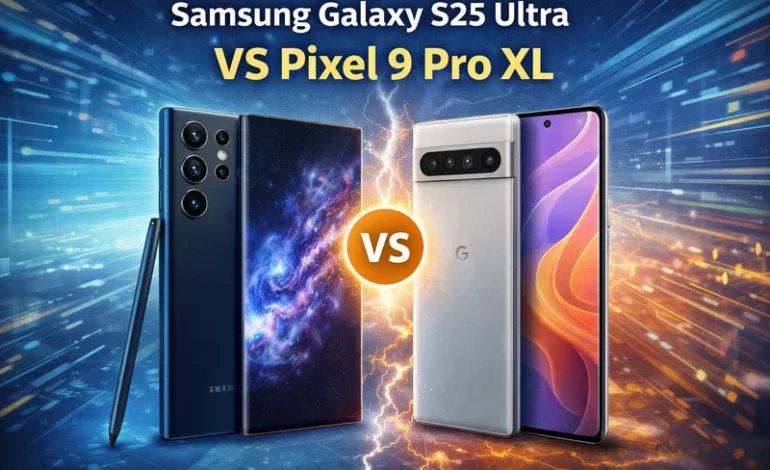
Clash of the Titans: Samsung Galaxy S25 Ultra vs Pixel 9 Pro XL – Which Flagship Reigns Supreme?

The smartphone arena is a perpetual battleground for innovation, and as new generations emerge, the stakes get higher. Tech enthusiasts and casual users alike eagerly anticipate the next major contenders, and this year, the spotlight shines brightly on two anticipated giants: the Samsung Galaxy S25 Ultra and the Pixel 9 Pro XL. These devices aren’t just phones; they are statements, pushing the boundaries of mobile technology with cutting-edge hardware, sophisticated software, and unique user experiences. Deciding between them can feel like an impossible task, but fear not, as we dive deep into a comprehensive comparison to help you navigate this high-stakes decision.
From raw processing power to photographic prowess and the very essence of their operating systems, every detail matters. This detailed breakdown of the Samsung Galaxy S25 Ultra vs Pixel 9 Pro XL will dissect their expected strengths and potential differentiators. By the end, you’ll have a clearer picture of which flagship aligns best with your digital lifestyle and aspirations, ensuring your next premium smartphone investment is the right one.
Read More: Best Camera Phones of 2026: A Definitive Side-by-Side Comparison
Design and Build Quality: A Premium Aesthetic Battle
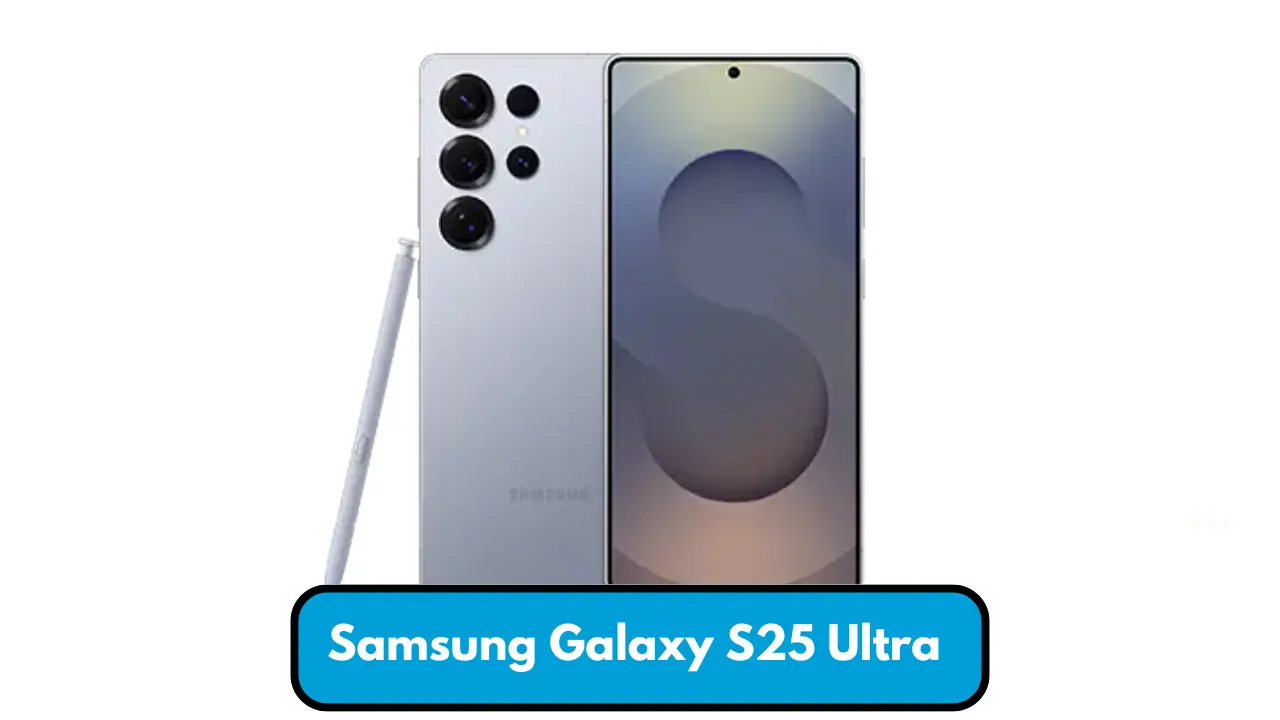
When you invest in a flagship smartphone, the tactile experience and visual appeal are paramount. The Samsung Galaxy S25 Ultra is expected to continue Samsung’s tradition of robust, industrial design, likely featuring a premium titanium frame that exudes durability and sophistication. Its signature sharp lines and minimal bezels are designed not just for aesthetics but also to accommodate its integrated S-Pen, a beloved feature for productivity and creative users.
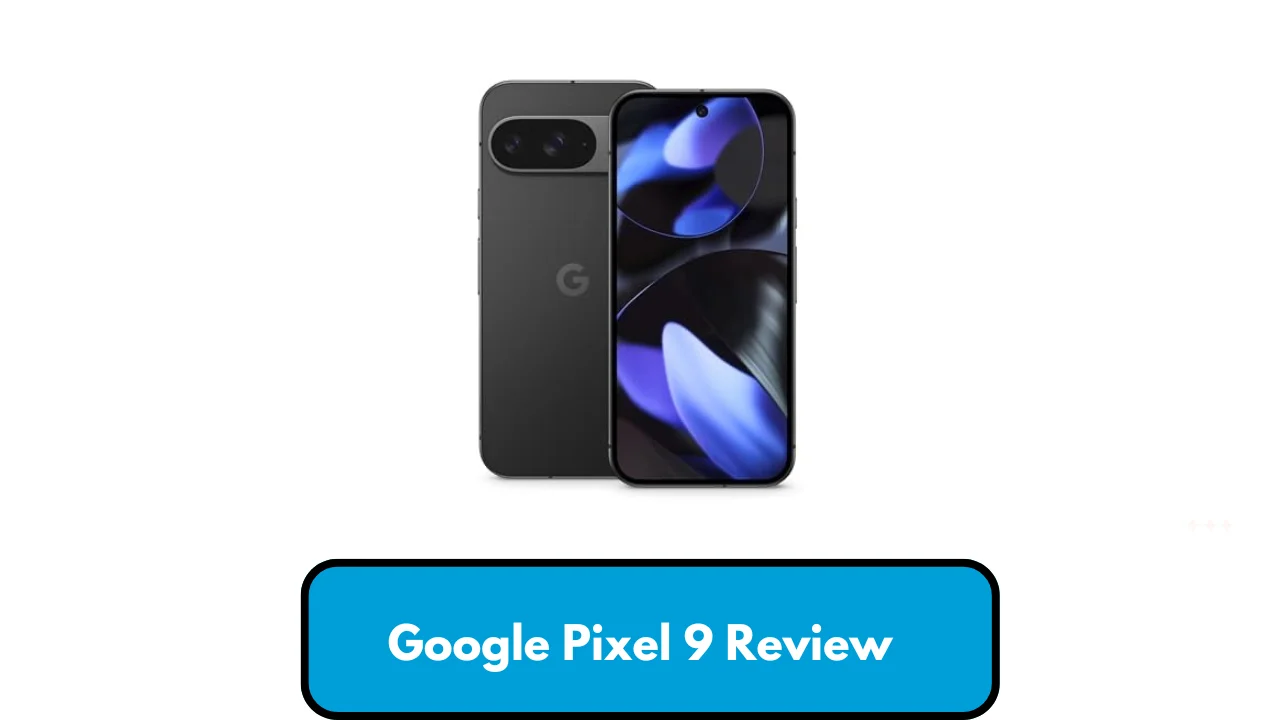
In contrast, the Pixel 9 Pro XL is anticipated to evolve Google’s distinct design language, possibly refining the iconic camera visor while maintaining a sleek, modern profile. Google often prioritizes ergonomic comfort and a unique visual identity, perhaps with a more rounded or organic feel compared to Samsung’s more angular approach. Both devices will undoubtedly employ the latest Gorilla Glass protection for their displays and backs, ensuring resilience against daily wear and tear.
The choice here often comes down to personal preference: do you favor the bold, tool-like precision of the Galaxy S25 Ultra or the refined, understated elegance of the Pixel 9 Pro XL? Each phone will offer a distinct feel in hand, reflecting its manufacturer’s philosophy towards premium device construction. Material choices and overall finish will play a significant role in how users perceive and interact with these top-tier smartphones.
Display Excellence: Visuals That Pop
A smartphone’s display is its window to the digital world, and both the Galaxy S25 Ultra and Pixel 9 Pro XL are poised to deliver breathtaking visual experiences. The Samsung Galaxy S25 Ultra will almost certainly feature an evolution of Samsung’s Dynamic AMOLED panel, renowned for its vibrant colors, deep blacks, and exceptional brightness. Expect a large, high-resolution screen with a dynamic refresh rate up to 120Hz, ensuring buttery-smooth scrolling and an immersive multimedia experience, further enhanced by S-Pen support for precise interaction.
The Pixel 9 Pro XL, on the other hand, is expected to sport a high-quality LTPO OLED display, offering superb color accuracy and excellent contrast. While Google’s displays might sometimes be perceived as more ‘natural’ in their color reproduction compared to Samsung’s often more saturated look, they will undoubtedly match the Galaxy in terms of peak brightness and adaptive refresh rates. Both phones will offer stunning clarity, making content consumption, gaming, and productivity tasks a joy.
Key differences might emerge in peak brightness for outdoor visibility, specific color calibration profiles, and perhaps the curvature of the display. While Samsung has historically leaned into curved edges, Google has often opted for flatter panels. Regardless, users can expect industry-leading display technology from both devices, making either an excellent choice for visual fidelity.
Performance Powerhouses: Under the Hood
At the heart of any flagship lies its processing power, and here, the Samsung Galaxy S25 Ultra vs Pixel 9 Pro XL comparison reveals distinct approaches. The Galaxy S25 Ultra is anticipated to be powered by Qualcomm’s next-generation Snapdragon 8 Gen 4 chipset (or an equivalent Exynos chip in some regions), promising unparalleled raw CPU and GPU performance. This translates to blistering speeds for demanding games, seamless multitasking, and rapid app launches, setting a new benchmark for mobile computing.
The Pixel 9 Pro XL will feature Google’s own Tensor G4 chip, which, while perhaps not matching the Snapdragon in raw benchmark scores, is engineered for superior AI and machine learning capabilities. This focus on on-device intelligence powers many of Pixel’s unique features, from advanced computational photography to real-time language processing and smart battery management. The Tensor chip is designed to make the phone feel incredibly smart and responsive in everyday tasks, learning from your usage patterns.
For users who prioritize raw processing grunt for heavy gaming or intensive video editing, the Galaxy S25 Ultra might hold an edge. However, if a deeply integrated, intelligent user experience with cutting-edge AI features is more appealing, the Pixel 9 Pro XL’s Tensor G4 will truly shine. Both devices will come equipped with ample RAM and storage options, ensuring smooth operation and plenty of space for apps and media.
Camera Showdown: Capturing Every Moment
Photography is often the deciding factor for many flagship buyers, and both the Galaxy S25 Ultra and Pixel 9 Pro XL are expected to push mobile photography boundaries. This section will be a close contest, as both brands have a strong legacy in camera innovation.
Rear Camera Systems
The Samsung Galaxy S25 Ultra is expected to build upon its impressive multi-camera array, likely featuring an upgraded high-megapixel main sensor, multiple telephoto lenses (including a periscope zoom for incredible optical reach), and an ultra-wide sensor. Samsung’s camera system excels in versatility, offering professional-grade manual controls, high-resolution video recording up to 8K, and robust stabilization. Its Expert RAW mode provides photographers with immense flexibility for post-processing.
Conversely, the Pixel 9 Pro XL will leverage Google’s renowned computational photography, making every shot look fantastic with minimal effort. While its sensor count might be fewer, Google’s software magic, powered by the Tensor G4, can often achieve results that rival or even surpass hardware-heavy setups. Expect significant improvements in low-light performance (Night Sight), dynamic range, and video capabilities, potentially introducing new cinematic modes and enhanced stabilization.
Front-Facing Cameras
For selfies and video calls, both devices are expected to offer high-resolution front cameras capable of excellent detail and natural skin tones. Samsung typically provides a wide field of view, making group selfies easier, while Google often focuses on precise facial rendering and advanced portrait modes. Both will likely support 4K video recording from the front camera, catering to vloggers and video conferencing needs.
Software and AI Photography
This is where the philosophical differences truly emerge. Samsung’s camera app offers a plethora of modes and granular controls, appealing to users who like to fine-tune their shots. Its scene optimizer intelligently adjusts settings, and features like Single Take provide multiple outputs from one capture. Google’s strength lies in its ‘point-and-shoot’ simplicity, where AI automatically enhances images in the background. Features like Magic Editor, Best Take, Photo Unblur, and Real Tone ensure stunning, lifelike results across diverse skin tones and challenging lighting conditions without user intervention. The Pixel’s video boost and cinematic blur capabilities are also expected to see significant advancements.
Battery Life and Charging: Staying Powered All Day
A powerful phone is only as good as its battery, and both flagships are expected to house substantial power cells. The Samsung Galaxy S25 Ultra will likely feature a large battery capacity, building on its predecessor’s excellent endurance. Combined with the power efficiency of the Snapdragon 8 Gen 4, users can anticipate comfortable all-day usage, even with heavy use. Samsung typically offers fast wired charging, competitive wireless charging, and useful reverse wireless charging capabilities.
The Pixel 9 Pro XL is also expected to pack a generous battery, complemented by the Tensor G4’s intelligent power management. Google’s software optimizations often extend battery life beyond what raw capacity numbers might suggest, learning user habits to conserve power effectively. While Google’s charging speeds have historically been slightly slower than Samsung’s, they are still robust, and wireless charging is a standard feature.
For many, the convenience of rapid charging is a priority, and Samsung often leads in this area, allowing for quick top-ups throughout the day. However, Google’s focus on long-term battery health and efficient background processes offers a different kind of reassurance. Both phones will undoubtedly provide the necessary stamina for a full day of demanding use.
Software Experience: One UI vs. Stock Android
The operating system experience is a fundamental differentiator between these two titans. The Samsung Galaxy S25 Ultra runs on Samsung’s One UI, built atop Android, offering a heavily customized and feature-rich interface. One UI is known for its extensive customization options, powerful multitasking features like DeX (transforming your phone into a desktop experience), and deep integration with the S-Pen for unparalleled productivity and creativity. Samsung also provides extended software support, promising multiple years of OS updates and security patches.
The Pixel 9 Pro XL, on the other hand, delivers the purest form of Android, often referred to as ‘stock Android.’ This experience is clean, intuitive, and receives the latest Android updates directly from Google the moment they are released. Pixel phones also boast exclusive features powered by Google’s AI, such as Call Screen, Hold For Me, and At a Glance, which offer intelligent assistance in daily tasks. The focus is on simplicity, speed, and deep integration with Google’s services.
Your preference here largely depends on whether you prefer a feature-packed, customizable experience with unique hardware integrations (S-Pen, DeX) or a streamlined, AI-first approach with immediate access to the latest Android innovations. Both offer robust security and privacy features, but their approaches to user interface and ecosystem integration are distinct.
Unique Features and Ecosystems: Beyond the Basics
Beyond the core specifications, both the Galaxy S25 Ultra and Pixel 9 Pro XL offer unique features that define their respective ecosystems. The Galaxy S25 Ultra’s standout feature is undeniably the S-Pen, which transforms the device into a powerful tool for note-taking, drawing, and precise navigation. Samsung DeX further enhances productivity, allowing users to connect their phone to an external display for a desktop-like experience. Samsung’s Knox security platform provides enterprise-grade protection, and its SmartThings ecosystem offers seamless integration with a wide array of smart home devices.
The Pixel 9 Pro XL’s unique selling propositions revolve heavily around its AI capabilities. On-device AI, powered by the Tensor G4, enables features like enhanced voice recognition, real-time translation, and personalized suggestions, often without needing a cloud connection. Features like the built-in VPN by Google One, advanced spam call filtering, and innovative safety features like car crash detection highlight Google’s commitment to user convenience and security. Its integration with Pixel Watch and Pixel Buds creates a cohesive, AI-driven personal assistant experience.
Ultimately, the choice between these two flagships boils down to what you value most in a premium smartphone. Do you prioritize the unparalleled productivity and creative freedom offered by the S-Pen and the extensive customization of One UI? Or are you drawn to the seamless, intelligent, and intuitive experience of pure Android, with its cutting-edge AI features and immediate access to Google’s latest innovations? Both the Samsung Galaxy S25 Ultra and the Pixel 9 Pro XL represent the pinnacle of mobile technology, each offering a compelling vision for the future of smartphones. Consider your daily habits, your professional needs, and your personal preferences to determine which of these magnificent devices will best elevate your digital life.